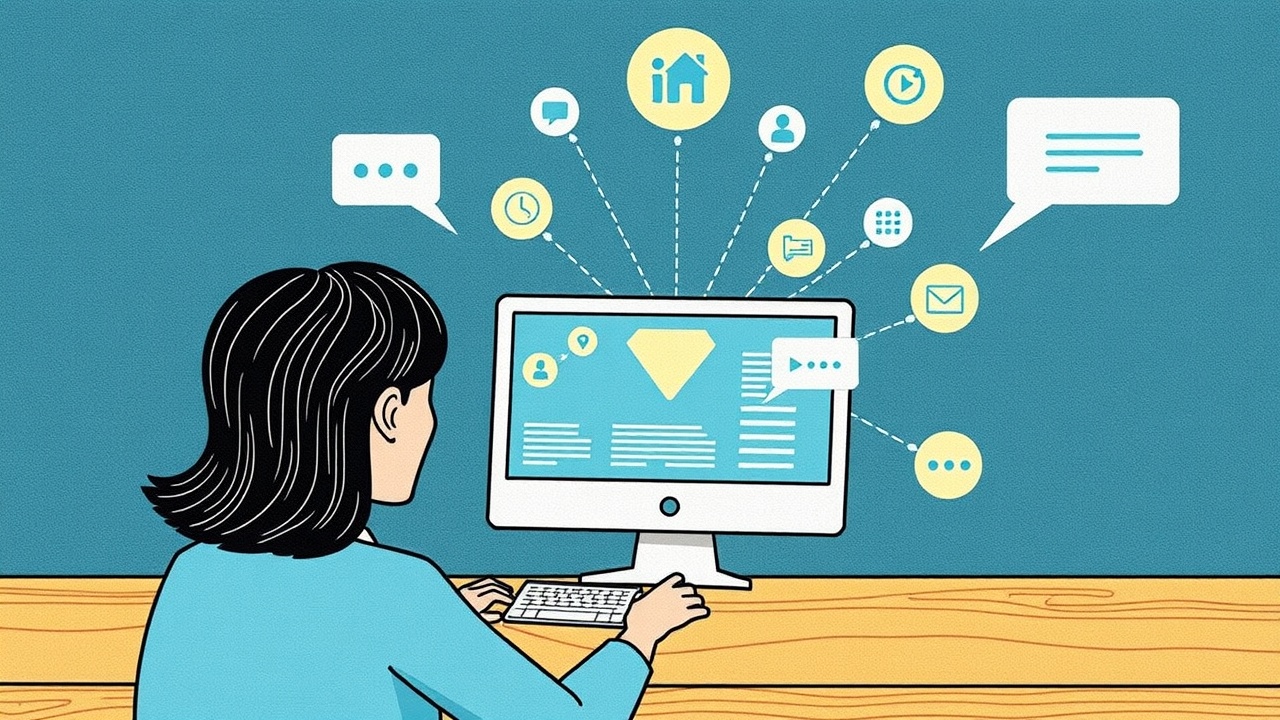



Technology has profoundly transformed daily life in numerous ways, impacting how we communicate, work, learn, and entertain ourselves
Technology has become a central part of our everyday lives & has changed how we interact with the world. It affects how we talk to friends and family & how we handle work and school and free time. Smartphones and the internet and digital platforms have made things easier but have also created new problems. Technology has made a big impact in several important areas and its effects are deep and complex. Communication has changed from old-fashioned methods to instant messaging and video calls that let people connect in real time even when they are far apart. The workplace has changed because of remote work and digital tools that let people work together online. Education has shifted too because online learning platforms give people access to information in ways that were not possible before. Entertainment has grown a lot & now offers many different ways for people to relax and have fun. Looking at these different areas shows how technology has changed our daily lives in many ways.
Communication – Instant Connectivity
With smartphones and social media, people can communicate instantly across the globe. Platforms like WhatsApp, Facebook, and Zoom have made it easier to stay in touch with family and friends, regardless of distance. – Remote Work: The rise of telecommuting tools has enabled many to work from home, leading to a shift in traditional office dynamics and work-life balance.
Education – Online Learning
E-learning platforms like Coursera, Khan Academy, and various university offerings have made education more accessible. Students can learn at their own pace and access a wealth of resources online. – Interactive Learning: Technology has introduced interactive tools and simulations that enhance the learning experience, making complex subjects more engaging.
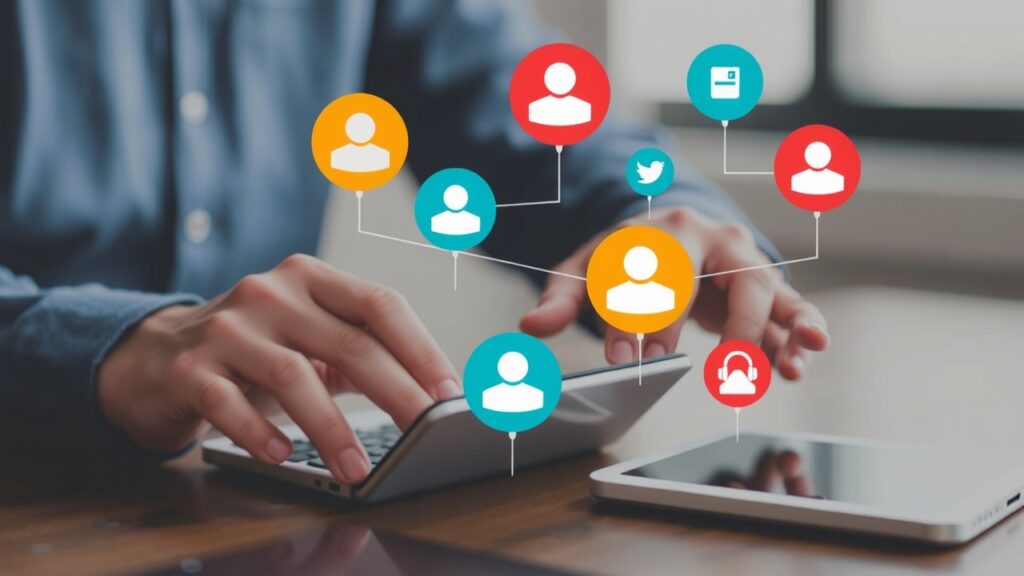
Health and Wellness – Telemedicine
Virtual healthcare services allow patients to consult with doctors remotely, improving access to medical care, especially in rural areas. – Wearable Technology: Devices like fitness trackers and smartwatches help individuals monitor their health and fitness levels, promoting a more health-conscious lifestyle.
Entertainment – Streaming Services
Platforms like Netflix, Spotify, and YouTube have revolutionized how we consume media, allowing for on-demand access to a vast array of content. – Gaming: Advances in technology have led to immersive gaming experiences, with virtual reality (VR) and augmented reality (AR) creating new ways to engage with games.
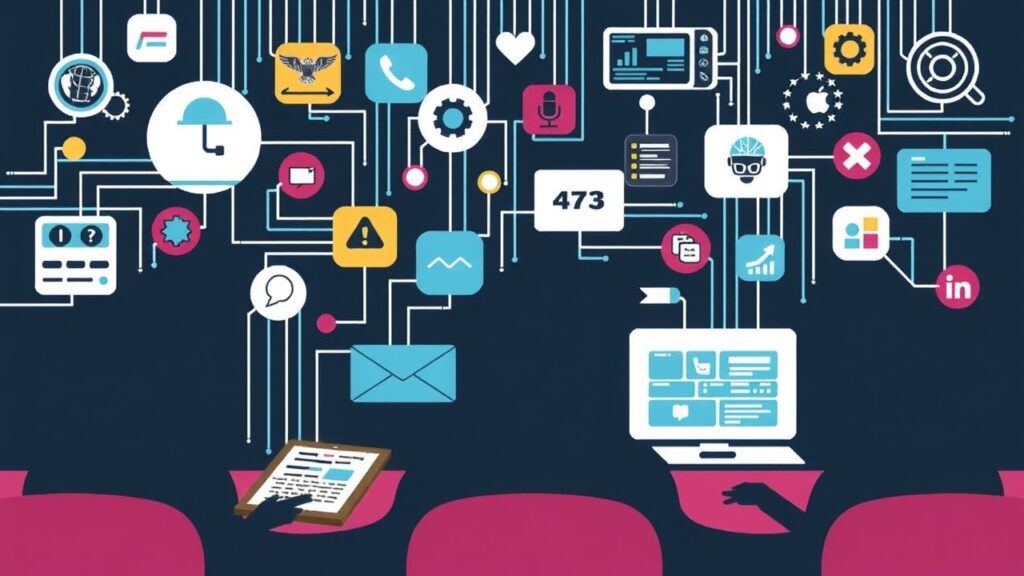
Daily Tasks and Convenience – Smart Home Devices
Technology has made homes smarter with devices like smart speakers, thermostats, and security systems that can be controlled remotely, enhancing convenience and security. – E-commerce: Online shopping has transformed retail, allowing consumers to purchase goods from the comfort of their homes, often with same-day delivery options.
Transportation – Ride-Sharing and Navigation
Apps like Uber and Google Maps have changed how we navigate and use transportation, making it easier to find rides and avoid traffic. – Electric and Autonomous Vehicles: Advances in automotive technology are leading to more sustainable and potentially safer transportation options.
Social Interaction and Community – Online Communities
Social media and forums have created spaces for people to connect over shared interests, fostering a sense of community that transcends geographical boundaries. – Digital Activism: Technology has empowered movements and causes, allowing for rapid organization and mobilization around social issues.
While technology has brought about many positive changes, it also presents challenges, such as privacy concerns, digital addiction, and the digital divide. As technology continues to evolve, it will be crucial to navigate these challenges while maximizing the benefits it offers to enhance daily life.

The Conclusion 👓
Technology keeps getting better and this helps healthcare improve in many ways. Telemedicine and personalized medicine are now easier to use & work better than before. This means patients get better care and healthier results. Green technologies and smart grids are also growing and they play an important role in fighting climate change. They help us use energy in sustainable ways and lower our carbon footprints. But these improvements also create big problems. Privacy issues are getting worse because data breaches are happening more often & hackers are getting smarter. People are worried about how safe their data really is and whether companies use personal information the right way. Another problem is that technology changes so fast that many traditional jobs are disappearing. This creates financial worry for workers who lose their jobs.
7.8
While technology in 2026 offers remarkable opportunities for progress, it also demands careful consideration and management of its inherent risks to ensure equitable and secure advancement for all.
Pros
- Better Communication
- Learning Opportunities
- Health Improvements
- Convenience
- Environmental Benefits
Cons
- Less Face-to-Face Interaction
- Distractions
- Privacy Concerns
- Dependence on Devices
- Job Changes