



In recent years, the concept of financial independence has gained significant traction, particularly among millennials and Gen Z. At the forefront of this movement is the Financial Independence, Retire Early (FIRE) movement, which advocates for aggressive saving and investing strategies to achieve financial freedom at a young age. But what exactly is the FIRE movement, and how can individuals embark on this journey toward financial independence?
Understanding the FIRE Movement
The FIRE movement is built on the premise that individuals can retire far earlier than the traditional retirement age by saving a substantial portion of their income and investing wisely. The core philosophy revolves around two main components: financial independence and early retirement.

The FIRE movement, an acronym for Financial Independence, Retire Early, has gained significant traction in recent years as individuals seek alternatives to the conventional approach to retirement. At its core, the movement is predicated on the belief that with disciplined saving and strategic investing, it is possible to retire well before the traditional age of 65. This philosophy is built on two fundamental components: achieving financial independence and embracing early retirement.

Financial independence refers to the state where an individual has sufficient personal wealth to live without having to actively work for basic necessities. This often involves saving a substantial portion of one’s income—typically 50% or more—and making informed investment choices that can generate passive income streams. The early retirement aspect encourages individuals to envision a life where they can step away from the workforce much earlier than societal norms dictate, allowing them to pursue personal passions, travel, or engage in volunteer work without the constraints of a traditional job.
As the FIRE movement continues to evolve, it presents both opportunities and challenges for those who choose to adopt its principles. Understanding the underlying strategies and mindset shifts required to achieve financial independence and retire early is essential for anyone considering this lifestyle change.

1. Financial Independence: This refers to having enough savings and investments to cover living expenses without relying on a traditional job. The goal is to accumulate a nest egg that generates passive income, allowing individuals to live comfortably without the need for a paycheck.
2. Retire Early: While traditional retirement often occurs in one’s 60s or 70s, the FIRE movement encourages individuals to retire in their 30s or 40s. This early retirement is not about lounging on a beach for the rest of one’s life; rather, it’s about having the freedom to pursue passions, hobbies, or even part-time work without the constraints of a full-time job.
The Principles of FIRE

The FIRE movement is underpinned by several key principles that guide its followers in their quest for financial independence:
1. Aggressive Saving: FIRE advocates typically recommend saving 50% to 70% of one’s income. This requires a frugal lifestyle, where individuals prioritize saving over spending. This might involve downsizing living arrangements, cutting unnecessary expenses, and finding creative ways to save money.

2. Investing Wisely: Simply saving money is not enough; it must be invested to grow over time. Many FIRE enthusiasts favor low-cost index funds, real estate, or other investment vehicles that can provide a steady return. The goal is to build a portfolio that can generate enough passive income to cover living expenses.
3. The 4% Rule: A cornerstone of the FIRE movement is the 4% rule, which suggests that retirees can withdraw 4% of their investment portfolio annually without running out of money over a 30-year period. This rule helps individuals determine how much they need to save to achieve financial independence.

4. Mindset Shift: Achieving FIRE requires a significant mindset shift. Followers often embrace minimalism, focusing on experiences rather than material possessions. This shift in perspective can lead to a more fulfilling life, even before reaching financial independence.
Different Approaches to FIRE
While the FIRE movement has a common goal, there are various approaches that individuals can take based on their personal circumstances and preferences:
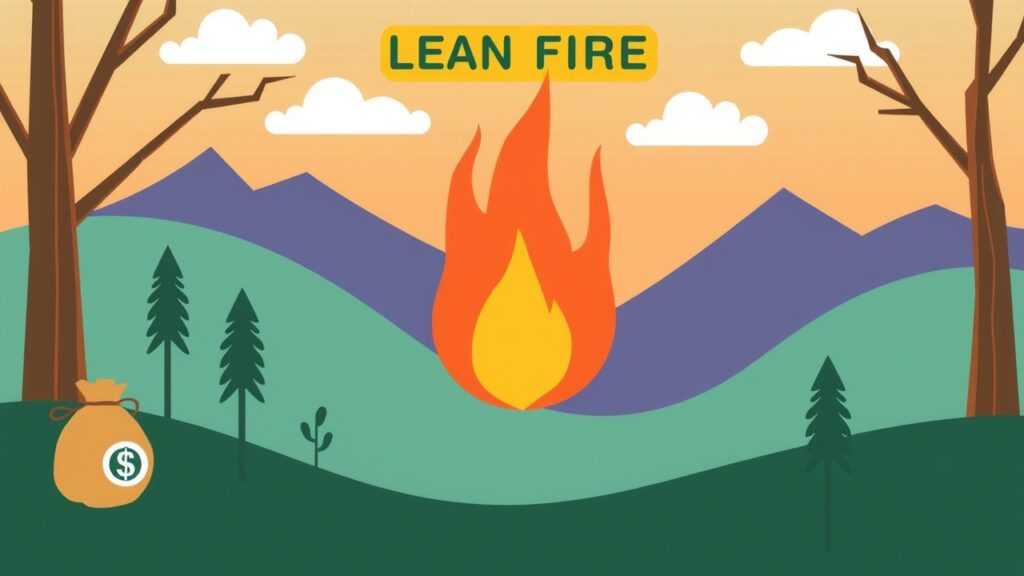
1. Lean FIRE: This approach involves living a very frugal lifestyle, often with a lower annual spending target. Lean FIRE proponents aim to retire with a smaller nest egg and live on a tight budget.
2. Fat FIRE: In contrast, Fat FIRE allows for a more comfortable lifestyle during retirement. Individuals pursuing this path save more aggressively to ensure they can maintain a higher standard of living without financial stress.

3. Barista FIRE: This hybrid approach allows individuals to retire early but still work part-time or freelance to supplement their income. This can provide a safety net while allowing for more flexibility and freedom.

4. Coast FIRE: This strategy involves saving enough early on so that investments can grow over time without additional contributions. Individuals can then choose to work in lower-stress jobs or pursue passions while their investments continue to grow.
The Challenges of the FIRE Movement
While the FIRE movement offers an appealing vision of financial independence, it is not without its challenges:
1. High Savings Rate: Achieving a 50% to 70% savings rate can be daunting, especially in high-cost living areas. It requires significant lifestyle changes and sacrifices.

2. Market Risks: Investing always carries risks, and market downturns can impact the ability to withdraw funds according to the 4% rule. It’s essential to have a diversified portfolio and a solid understanding of market dynamics.
3. Social Pressure: Embracing a frugal lifestyle can lead to social isolation or pressure from peers who may not understand the FIRE philosophy. It’s crucial to find a supportive community that shares similar goals.

4. Uncertainty in Retirement: Early retirees may face uncertainties regarding healthcare, social security, and unexpected expenses. Planning for these contingencies is vital to ensure long-term financial stability.

The Financial Independence, Retire Early (FIRE) movement signifies a notable transformation in the way individuals perceive and engage with work. By prioritizing financial independence and the possibility of early retirement, adherents challenge traditional notions of career progression and job satisfaction. This shift encourages a reevaluation of personal values, financial habits, and lifestyle choices, prompting many to seek alternative paths that prioritize autonomy and fulfillment over conventional employment structures.
As the FIRE movement gains traction, it raises important questions about the future of work. Individuals are increasingly considering how their careers align with their broader life goals, leading to a growing emphasis on minimalism, frugality, and intentional living. This approach not only influences personal financial strategies but also has implications for workplace dynamics, corporate culture, and societal expectations regarding success.

.

The Conclusion 👓
The FIRE movement represents a radical shift in how individuals approach work, savings, and retirement. By prioritizing financial independence and adopting a frugal lifestyle, many have successfully achieved their goal of retiring early. However, it requires dedication, discipline, and a willingness to embrace a different way of living. For those willing to take the plunge, the rewards can be life-changing, offering the freedom to pursue passions and live life on one’s own terms. Whether you’re just starting your financial journey or are well on your way to achieving FIRE, understanding the principles and challenges of this movement can help you navigate your path to financial independence
6.1
FIRE movement may not be suitable for everyone, its principles resonate with a significant segment of the population seeking greater control over their lives. As more people explore these ideas, the conversation around work, retirement, and financial security is likely to evolve, reflecting a broader desire for meaningful engagement in both personal and professional spheres. Ultimately, the FIRE movement serves as a catalyst for change, prompting individuals to rethink their relationship with work and consider new possibilities for their futures.
Pros
- Pors Item One
- Pors Item Two
- Pors Item Three
- Pors Item Four
- Pors Item Five
Cons
- Cons Item One
- Cons Item Two
- Cons Item Three
- Cons Item Four
- Cons Item Five