



Hobbies are more than just pastimes; they can serve as powerful tools for personal growth

In a fast-paced world where productivity often takes precedence, the significance of hobbies is frequently overlooked. However, engaging in hobbies is not merely a pastime; it is a vital component of personal development. Hobbies can enhance our skills, foster creativity, and contribute to our overall well-being. This article explores the multifaceted relationship between hobbies and personal development, highlighting how they can unlock our potential and enrich our lives.
The Importance of Hobbies
Hobbies are activities that we engage in for pleasure and relaxation, distinct from our professional obligations. They can range from artistic pursuits like painting and writing to physical activities such as hiking and dancing. The importance of hobbies lies in their ability to provide a break from routine, allowing us to recharge and gain new perspectives.
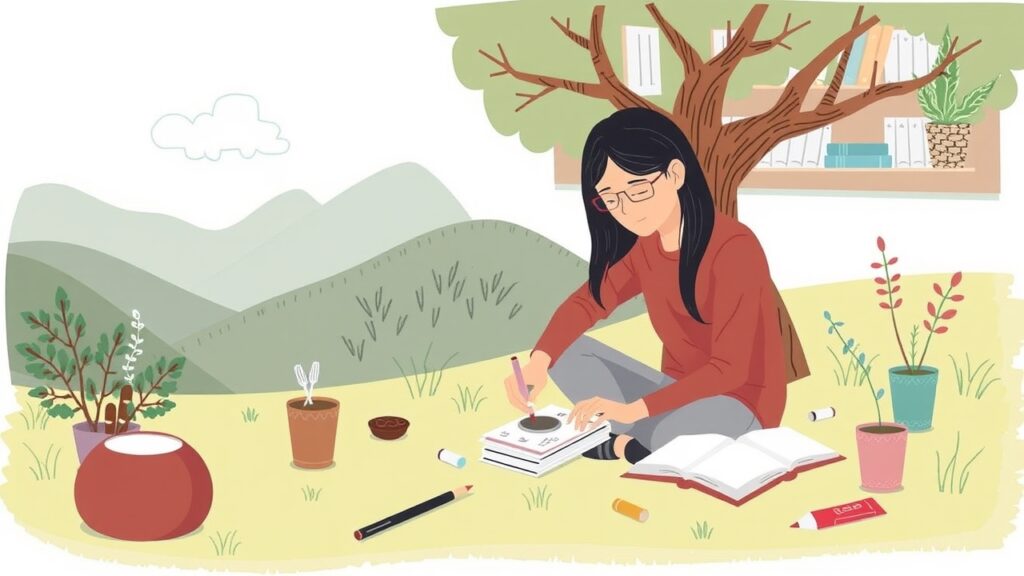
1. Stress Relief and Mental Health: Engaging in hobbies can significantly reduce stress levels. Activities that we enjoy trigger the release of dopamine, a neurotransmitter associated with pleasure and satisfaction. This can lead to improved mood and a decrease in anxiety. For instance, gardening not only connects individuals with nature but also serves as a therapeutic outlet, promoting mindfulness and relaxation.
2. Skill Development: Hobbies often require the acquisition of new skills, which can contribute to personal growth. For example, learning to play a musical instrument enhances cognitive abilities, improves memory, and fosters discipline. Similarly, cooking can develop creativity and organizational skills, as one learns to experiment with flavors and manage time effectively.
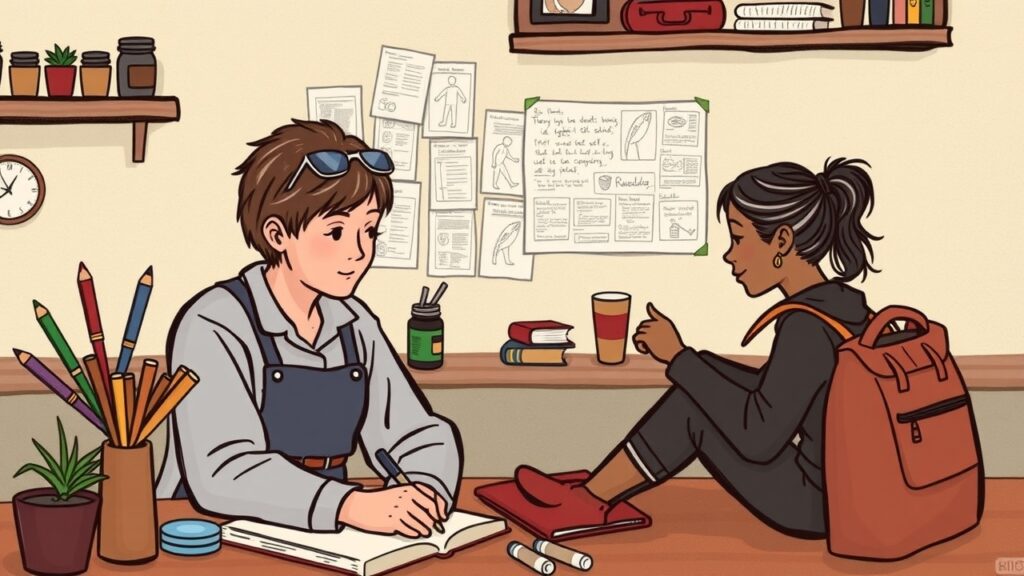
3. Social Connections: Many hobbies provide opportunities for social interaction, which is crucial for emotional well-being. Joining a book club, participating in a sports team, or attending art classes can help individuals build friendships and expand their social networks. These connections can lead to a sense of belonging and community, which is essential for personal development.
4. Boosting Creativity: Hobbies often encourage creative thinking and problem-solving. Engaging in artistic activities, such as painting or writing, allows individuals to express themselves and explore new ideas. This creative outlet can spill over into other areas of life, enhancing innovation and adaptability in both personal and professional settings.
Hobbies as a Pathway to Personal Development

1. Setting Goals: Pursuing a hobby can teach individuals how to set and achieve goals. Whether it’s completing a painting, mastering a new recipe, or finishing a novel, hobbies require commitment and perseverance. This process of setting achievable milestones can translate into other areas of life, fostering a growth mindset.
2. Time Management: Balancing hobbies with other responsibilities can enhance time management skills. Individuals learn to prioritize their time effectively, ensuring that they allocate moments for leisure amidst their busy schedules. This skill is invaluable in both personal and professional contexts, leading to increased productivity and satisfaction.
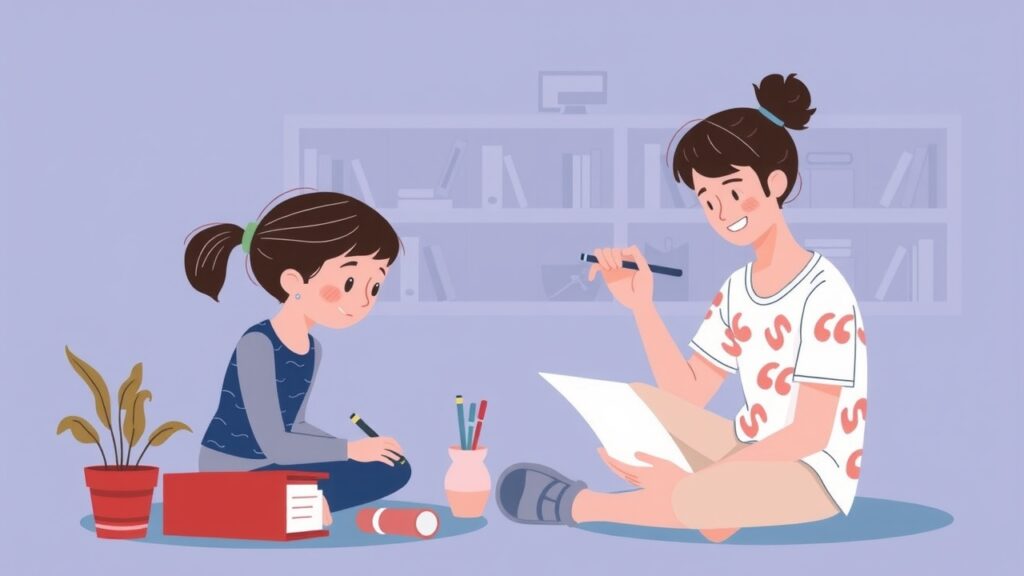
3. Self-Discovery: Hobbies provide a platform for self-exploration. They allow individuals to discover their passions, strengths, and weaknesses. For instance, someone who takes up photography may realize a knack for storytelling through images, leading to a newfound career path or a deeper appreciation for art.
4. Resilience and Adaptability: Engaging in hobbies often involves facing challenges and overcoming obstacles. Whether it’s learning a new dance routine or tackling a complex puzzle, these experiences build resilience. Individuals learn to embrace failure as a part of the learning process, fostering a mindset that is adaptable and open to change.
Finding the Right Hobby

Choosing the right hobby is a personal journey that requires introspection and exploration. Here are some tips to help you find a hobby that aligns with your interests and contributes to your personal development:
1. Reflect on Interests: Consider what activities you enjoyed as a child or what excites you now. Reflecting on your interests can guide you toward hobbies that resonate with your personality.
2. Experiment: Don’t hesitate to try new things. Attend workshops, join clubs, or take online classes to explore different hobbies. This experimentation can lead to unexpected passions.
3. Consider Your Goals: Think about what you want to achieve through your hobby. Are you looking to relax, learn a new skill, or connect with others? Defining your goals can help narrow down your options.
4. Make Time: Incorporate your chosen hobby into your routine. Set aside dedicated time each week to engage in your hobby, ensuring that it becomes a regular part of your life.

The Conclusion 👓
Hobbies are more than just leisure activities; they are powerful tools for personal development. By engaging in hobbies, individuals can enhance their mental health, develop new skills, foster social connections, and boost creativity. The journey of self-discovery through hobbies can lead to greater resilience, adaptability, and a deeper understanding of oneself. In a world that often prioritizes productivity, it is essential to recognize the value of hobbies as a pathway to unlocking our potential and enriching our lives. So, take a moment to explore your interests, embrace new experiences, and allow your hobbies to guide you on your journey of personal growth.
6.7
Having a hobby is important because it allows you to explore your interests and discover what you like. When you spend time on a hobby, you can relax and have fun. It can also help you learn new skills. For example, if you like to paint, you might get better at using colors and creating pictures over time.
Pros
- Learning New Skills
- Making Friends
- Stress Relief
- Boosting Confidence
- Exploring Interests
Cons
- Time-Consuming
- Cost
- Frustration
- Distraction
- Pressure to Succeed


Recent Post



Gallery






Featured Videos