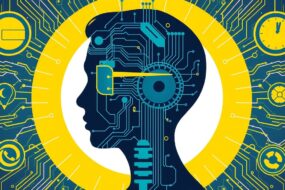



Masculinity is a term that describes qualities and behaviors that are often associated with being a man. Traditionally, people have thought of masculinity as being strong, tough, and not showing emotions
In recent years, the conversation surrounding masculinity has evolved significantly. Traditionally, masculinity has been associated with traits such as strength, stoicism, and dominance. However, as society progresses, there is a growing recognition that these narrow definitions can be harmful—not only to women and marginalized groups but also to men themselves. Redefining masculinity is not just a cultural necessity; it is a vital step towards fostering healthier relationships, emotional well-being, and a more inclusive society.
The Traditional Model of Masculinity
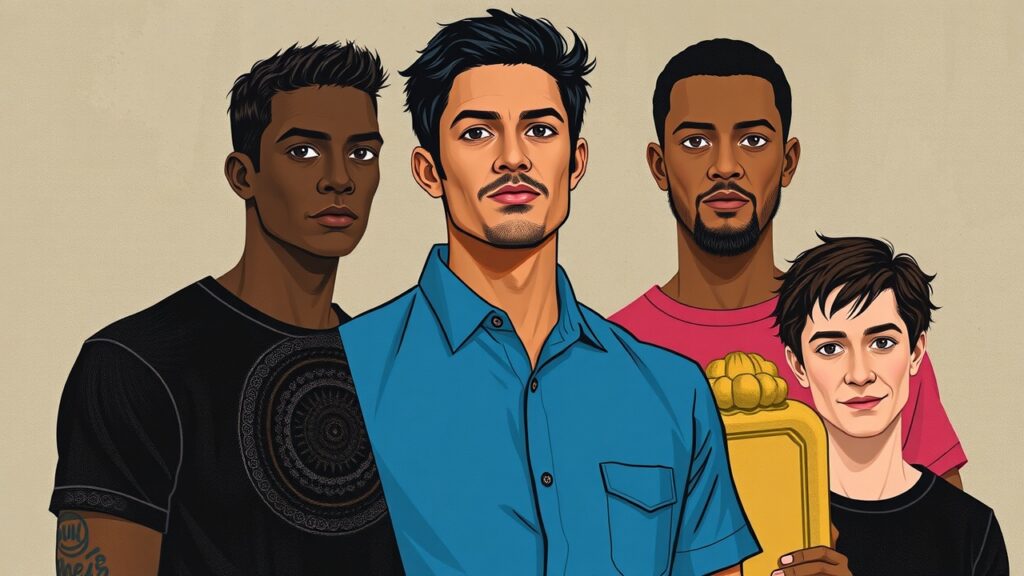
Historically, masculinity has been shaped by cultural norms that emphasize toughness and emotional restraint. The archetype of the strong, silent type has dominated popular culture, from literature to film. This model often discourages men from expressing vulnerability or seeking help, leading to a range of negative outcomes, including mental health issues, substance abuse, and strained relationships.
The consequences of adhering to traditional masculinity can be severe. Men are statistically less likely to seek help for mental health issues, often viewing vulnerability as a weakness. This reluctance can lead to untreated depression, anxiety, and even suicide. According to the American Foundation for Suicide Prevention, men are nearly four times more likely to die by suicide than women. This alarming statistic underscores the urgent need to challenge and redefine the traditional notions of masculinity.
The Impact of Toxic Masculinity
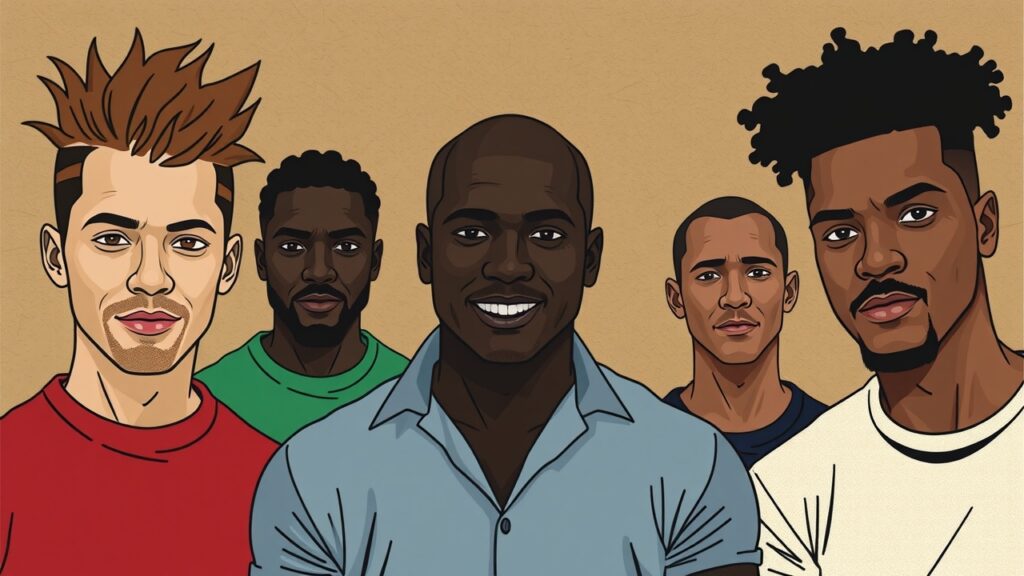
Toxic masculinity refers to cultural norms that promote harmful behaviors and attitudes among men. This includes aggression, emotional suppression, and the devaluation of traits deemed feminine, such as empathy and nurturing. Toxic masculinity not only harms men but also perpetuates gender inequality and violence against women.
For instance, the belief that men must be dominant can lead to unhealthy power dynamics in relationships. This can manifest in various forms, from emotional manipulation to physical violence. Furthermore, toxic masculinity often discourages men from forming deep, meaningful connections with one another, fostering isolation and loneliness.
A New Paradigm: Embracing Emotional Intelligence
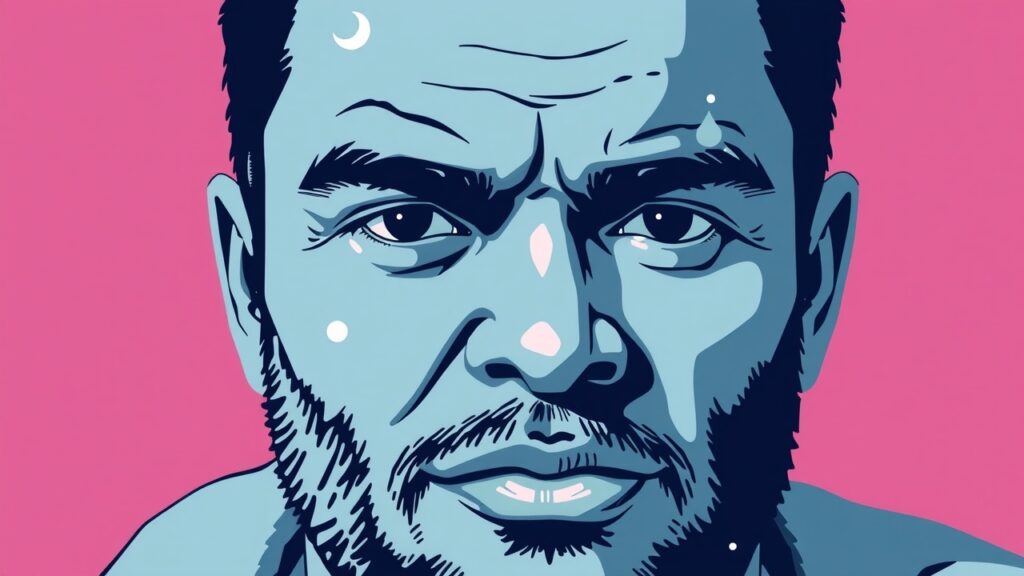
Redefining masculinity involves embracing a more holistic understanding of what it means to be a man. This new paradigm emphasizes emotional intelligence, vulnerability, and the importance of nurturing relationships. By encouraging men to express their feelings and seek help when needed, we can create a healthier emotional landscape.
Emotional intelligence—the ability to recognize, understand, and manage our emotions and the emotions of others—is a crucial skill that can benefit men in various aspects of life. Research shows that emotionally intelligent individuals tend to have better relationships, improved mental health, and greater overall well-being. By promoting emotional intelligence as a core component of masculinity, we can help dismantle the stigma surrounding vulnerability.
The Role of Education and Media
Education plays a pivotal role in redefining masculinity. Schools and community programs can implement curricula that challenge traditional gender norms and promote healthy emotional expression. Workshops and discussions that focus on empathy, communication, and conflict resolution can empower young men to embrace a more inclusive understanding of masculinity.
Media representation is equally important. Films, television shows, and literature that portray men as complex, emotionally aware individuals can help shift societal perceptions. Characters who express vulnerability, seek help, and prioritize relationships can serve as powerful role models for young men. By showcasing diverse representations of masculinity, we can challenge stereotypes and inspire future generations to embrace a broader definition of what it means to be a man.
The Importance of Male Allyship
Redefining masculinity also involves recognizing the role of male allyship in promoting gender equality. Men can be powerful advocates for change by challenging toxic behaviors and supporting women in their fight for equality. This includes speaking out against misogyny, supporting female leadership, and actively participating in conversations about consent and respect.
Male allyship is not just about supporting women; it is also about creating a culture where all individuals, regardless of gender, can thrive. By fostering an environment that values emotional expression and inclusivity, men can contribute to a society that benefits everyone.
Conclusion: A Collective Responsibility
Redefining masculinity is a collective responsibility that requires the participation of individuals, communities, and institutions. It is essential to create spaces where men can explore their identities without fear of judgment or ridicule. By promoting emotional intelligence, challenging toxic behaviors, and embracing diverse representations of masculinity, we can pave the way for a healthier, more inclusive society.
As we move forward, it is crucial to remember that redefining masculinity is not about diminishing the value of traditional masculine traits but rather expanding the definition to include a broader range of human experiences. By doing so, we can create a world where men are free to express their emotions, build meaningful connections, and contribute to a more equitable society. The journey towards redefining masculinity is not just about men; it is about all of us, working together to create a better future for everyone.

The Conclusion 👓
As society progresses, it becomes increasingly important to recognize that masculinity is not a monolithic concept. Men can embody strength, resilience, and leadership while also embracing vulnerability, empathy, and emotional expression. This shift encourages healthier relationships, both with oneself and with others, fostering an environment where men can feel free to express their true selves without fear of judgment.
7.8
The journey to redefine masculinity is ongoing and requires collective effort. It invites men to engage in self-reflection and encourages society to support diverse expressions of masculinity. As we continue to navigate this complex landscape, the goal remains clear: to create a more inclusive and understanding world for all individuals, regardless of gender.
Pros
- Encourages Emotional Expression
- Promotes Equality
- Reduces Stereotypes
- Encourages Healthy Relationships
- Supports Mental Health
Cons
- Resistance to Change
- Confusion About Identity
- Fear of Judgment
- Backlash from Traditionalists
- Overgeneralization