


Algorithms operate in the background to decide what content appears and how we engage with these digital environments. These systems influence our everyday experiences in ways we rarely notice or comprehend
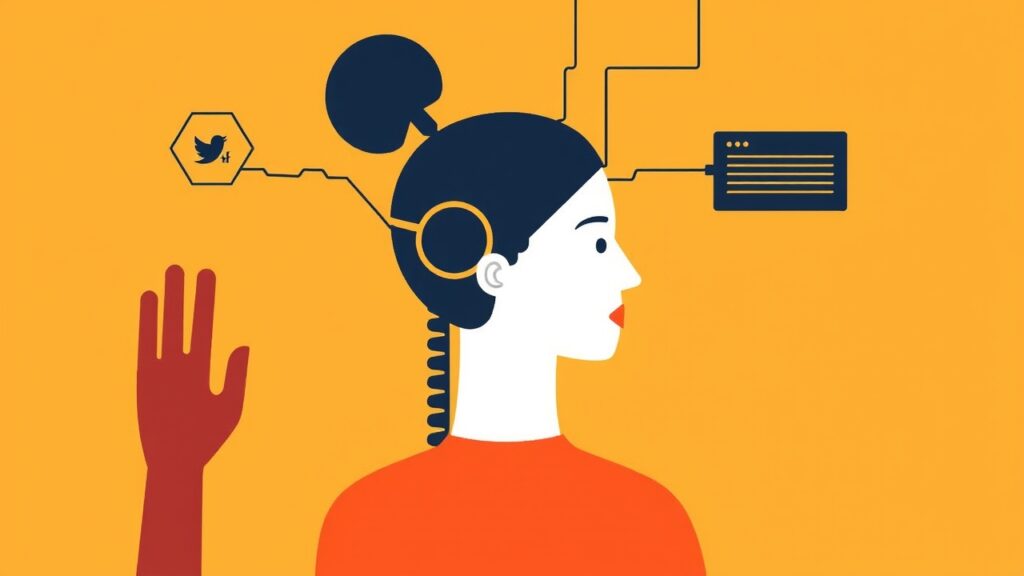
In the 21st century, technology has become an integral part of our daily lives, shaping not only how we communicate and interact but also how we perceive ourselves and our identities. The advent of social media, smartphones, and digital platforms has transformed the landscape of personal identity, leading to both positive and negative implications. This article explores the multifaceted impact of technology on individual identity, examining how it influences self-perception, social interactions, and the construction of personal narratives.
The Digital Self
One of the most significant ways technology affects individual identity is through the creation of the digital self. Social media platforms like Facebook, Instagram, and Twitter allow individuals to curate their online personas, presenting a version of themselves that may differ from their offline identities. This curation can lead to a heightened sense of self-awareness, as individuals become more conscious of how they are perceived by others. The ability to edit and filter images, craft thoughtful posts, and engage with followers can enhance self-esteem and provide a sense of belonging.
However, this digital self can also lead to identity fragmentation. The pressure to maintain a certain image online can result in individuals feeling disconnected from their authentic selves. The phenomenon of impression management becomes prevalent, where users feel compelled to project an idealized version of their lives, often leading to feelings of inadequacy and anxiety when comparing themselves to others. This dissonance between the digital self and the real self can create a crisis of identity, particularly among younger generations who have grown up in the digital age.

Social Interactions and Community Building
Technology has revolutionized the way we interact with others, allowing for the formation of communities that transcend geographical boundaries. Online forums, social media groups, and virtual reality spaces enable individuals to connect with like-minded people, fostering a sense of belonging and shared identity. For marginalized groups, these digital spaces can provide a platform for self-expression and advocacy, allowing individuals to explore and affirm their identities in ways that may not be possible in their offline lives.
However, the nature of online interactions can also lead to superficial connections. The ease of communication through text messages and social media can diminish the depth of relationships, as face-to-face interactions are often replaced by quick exchanges. This shift can impact how individuals perceive their social identities, as the quality of relationships may suffer in favor of quantity. Additionally, the anonymity of the internet can lead to toxic behaviors, such as cyberbullying and harassment, which can further complicate an individual’s sense of self-worth and identity.
The Role of Algorithms and Personalization
The rise of algorithms and personalized content has also played a significant role in shaping individual identity. Platforms like YouTube, TikTok, and Spotify use algorithms to curate content based on user preferences, creating a tailored experience that can reinforce existing beliefs and interests. While this personalization can enhance user engagement and satisfaction, it can also lead to echo chambers, where individuals are exposed only to viewpoints that align with their own. This phenomenon can stifle critical thinking and limit exposure to diverse perspectives, ultimately shaping an individual’s identity in a narrow context.
Moreover, the data collected by these platforms can lead to a commodification of identity. Users may feel pressured to conform to trends and popular content to gain visibility and validation, further blurring the lines between authentic self-expression and performative behavior. The constant feedback loop of likes, shares, and comments can create a reliance on external validation, impacting self-esteem and self-worth.
The Search for Authenticity
In a world dominated by technology, the quest for authenticity has become a central theme in discussions about identity. Many individuals grapple with the challenge of reconciling their online personas with their true selves. The desire for authenticity often drives users to seek out genuine connections and experiences, leading to movements that prioritize mental health, self-care, and vulnerability. Influencers and public figures who share their struggles and imperfections can inspire others to embrace their authentic selves, fostering a culture of acceptance and understanding.
However, the pursuit of authenticity in the digital realm can be complicated. The pressure to be real can lead to performative authenticity, where individuals feel compelled to share their vulnerabilities for the sake of engagement rather than genuine connection. This paradox highlights the complexities of identity in the digital age, as individuals navigate the fine line between self-presentation and self-exploration.

The Conclusion 👓
The impact of technology on individual identity is profound and multifaceted. While it offers opportunities for self-expression, connection, and community building, it also presents challenges related to authenticity, self-perception, and social interactions. As we continue to navigate this digital landscape, it is essential to cultivate a critical awareness of how technology shapes our identities and to strive for a balance between our online and offline selves. Embracing the complexities of identity in the digital age can empower individuals to forge meaningful connections and foster a deeper understanding of themselves and others. Ultimately, the journey of self-discovery in a technology-driven world is ongoing, requiring reflection, adaptability, and a commitment to authenticity.
7.1
Technology is all around us. It includes things like computers, smartphones, and the internet. These tools help us do many things, like communicate with friends, learn new information, and play games. But technology also affects how we see ourselves and how others see us. This is what we call "individual identity."
Pros
- Connection with Others
- Self-Expression
- Access to Information
- Community Building
- Personal Growth
Cons
- Comparison with Others
- Privacy Concerns
- Cyberbullying
- Over-Reliance on Technology
- Changing Values