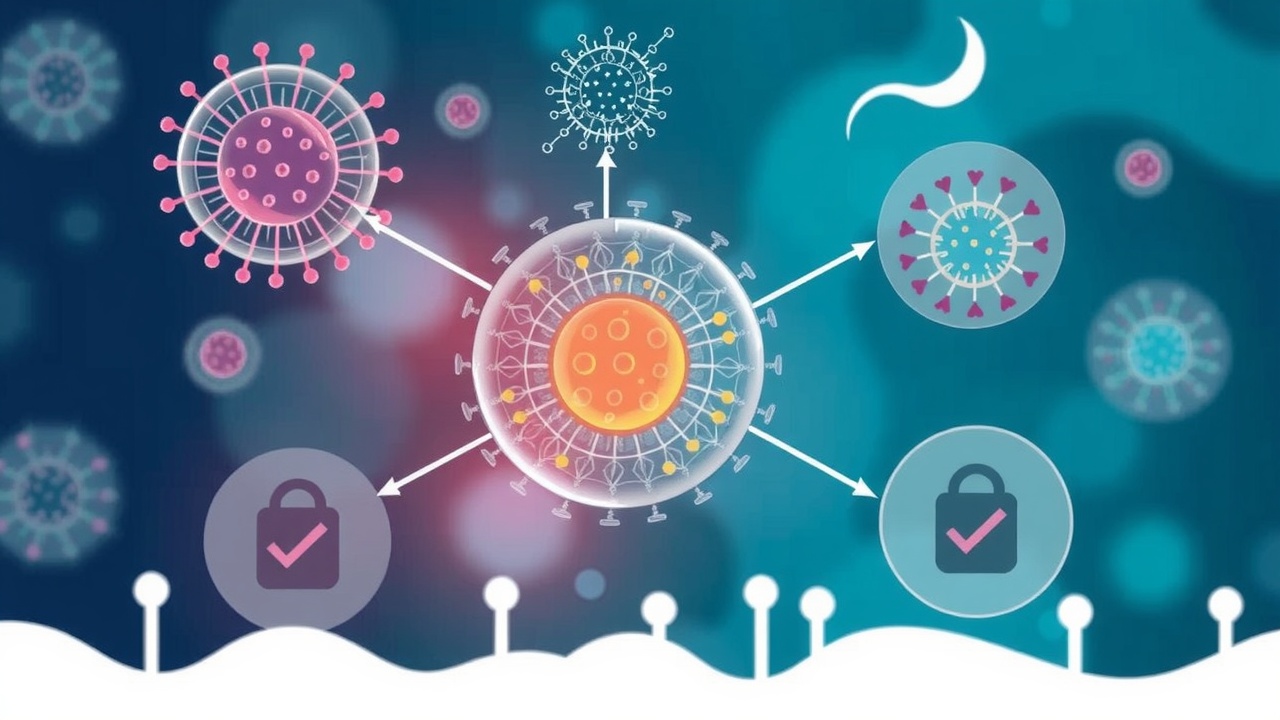



The cutting-edge advancements shaping the future of healthcare
In recent years, the fields of health innovations and biotechnology have witnessed unprecedented advancements, fundamentally transforming the landscape of medicine and healthcare. These innovations not only enhance our understanding of diseases but also pave the way for novel treatments, improved diagnostics, and personalized medicine. As we delve into the current trends and future prospects of health innovations and biotechnology, it becomes evident that we are on the brink of a healthcare revolution.
The Rise of Personalized Medicine
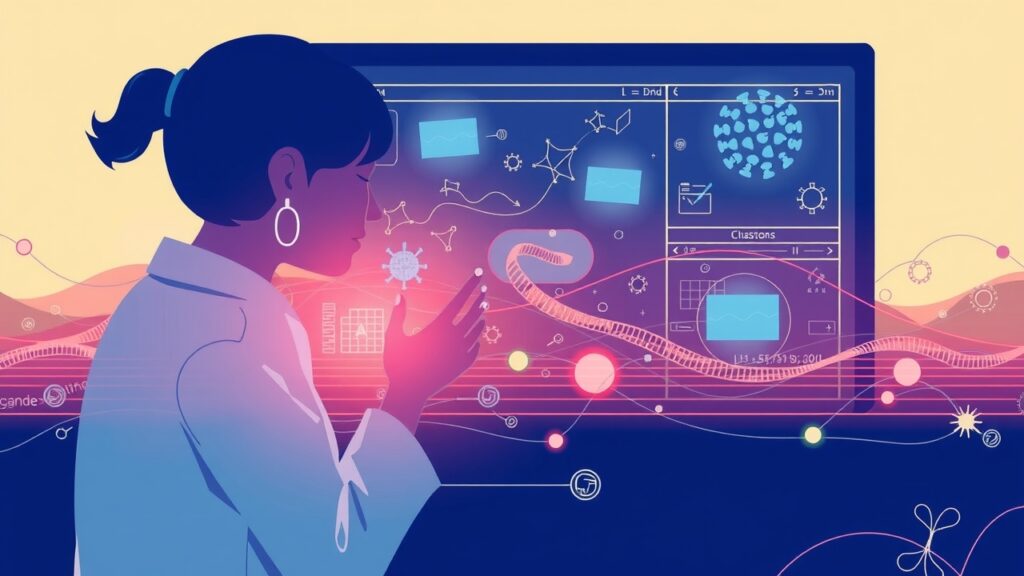
One of the most significant trends in health innovations is the shift towards personalized medicine. This approach tailors medical treatment to the individual characteristics of each patient, including their genetic makeup, lifestyle, and environment. With the advent of genomic sequencing technologies, healthcare providers can now analyze a patient’s DNA to identify genetic predispositions to certain diseases. This information allows for more accurate diagnoses and the development of targeted therapies that are more effective and have fewer side effects.
For instance, in oncology, genetic profiling of tumors can help identify specific mutations that drive cancer growth. This enables oncologists to prescribe targeted therapies that specifically attack cancer cells while sparing healthy tissue. The success of drugs like trastuzumab (Herceptin) for HER2-positive breast cancer exemplifies the potential of personalized medicine to improve patient outcomes.
CRISPR and Gene Editing
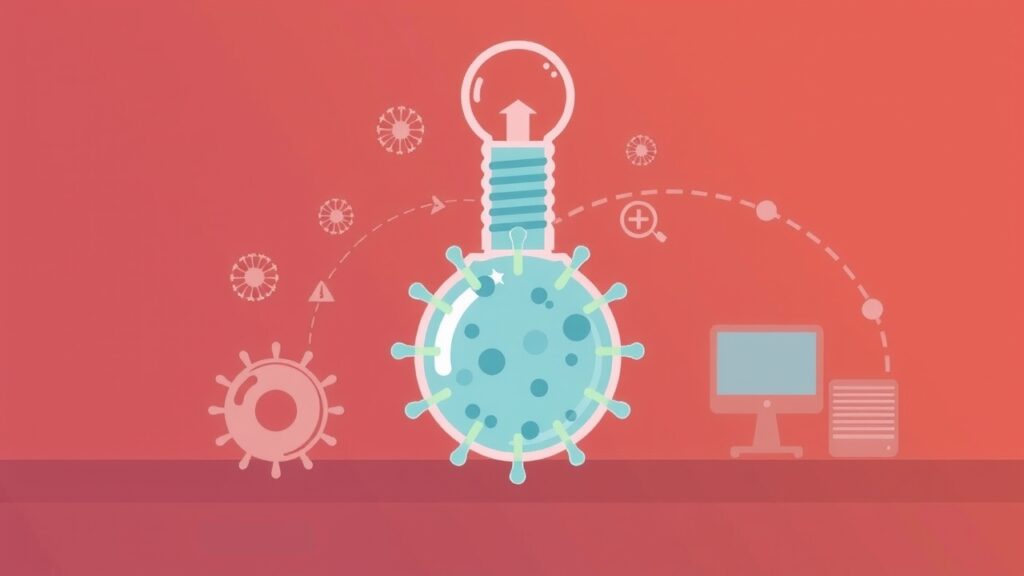
Another groundbreaking innovation in biotechnology is the development of CRISPR-Cas9 gene editing technology. This powerful tool allows scientists to make precise alterations to the DNA of living organisms, opening up new possibilities for treating genetic disorders. By correcting mutations at the genetic level, CRISPR has the potential to cure diseases such as cystic fibrosis, sickle cell anemia, and muscular dystrophy.
Moreover, CRISPR is not limited to human health; it also holds promise in agriculture and environmental conservation. By engineering crops to be more resilient to pests and climate change, CRISPR can contribute to food security and sustainability. However, ethical considerations surrounding gene editing, particularly in humans, continue to spark debate, necessitating careful regulation and oversight.
Advancements in Regenerative Medicine
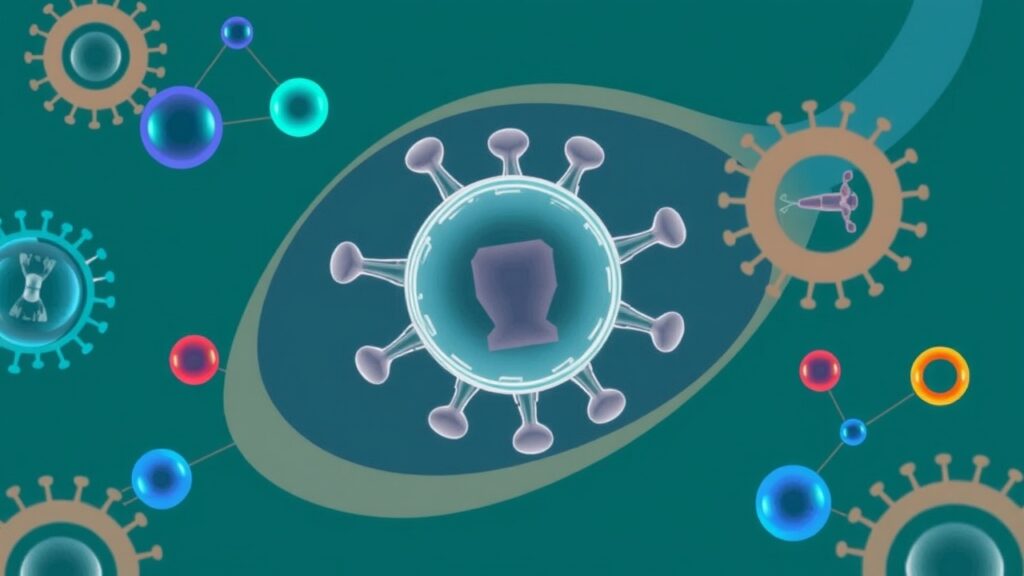
Regenerative medicine is another area where biotechnology is making significant strides. This field focuses on repairing or replacing damaged tissues and organs using techniques such as stem cell therapy and tissue engineering. Stem cells, which have the unique ability to differentiate into various cell types, offer the potential to regenerate damaged heart tissue after a heart attack or restore function in neurodegenerative diseases like Parkinson’s.
Recent breakthroughs in 3D bioprinting technology have further accelerated advancements in regenerative medicine. Scientists can now create complex tissue structures using bio-inks made from living cells, which can be used for drug testing, disease modeling, and eventually, organ transplantation. The ability to print functional tissues could address the critical shortage of donor organs and revolutionize transplant medicine.
Telemedicine and Digital Health

The COVID-19 pandemic has accelerated the adoption of telemedicine and digital health technologies, reshaping how healthcare is delivered. Telemedicine allows patients to consult with healthcare providers remotely, improving access to care, especially for those in rural or underserved areas. Virtual consultations have become a staple in primary care, mental health services, and chronic disease management.
Moreover, wearable health devices and mobile health applications are empowering individuals to take charge of their health. These technologies enable continuous monitoring of vital signs, physical activity, and other health metrics, providing valuable data that can inform treatment decisions. As artificial intelligence (AI) and machine learning algorithms become more sophisticated, they can analyze this data to predict health outcomes and recommend personalized interventions.
The Role of Artificial Intelligence
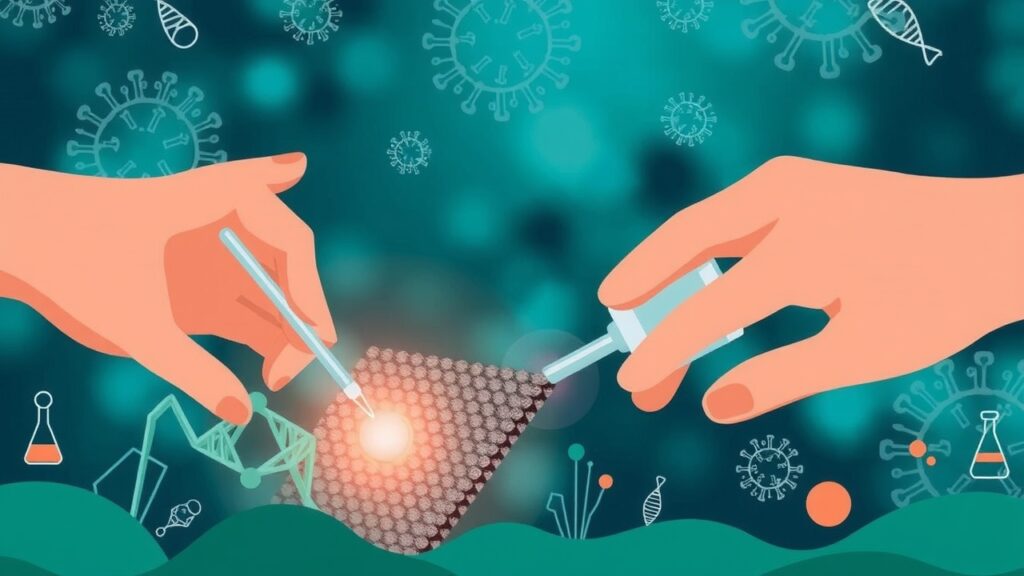
AI is playing an increasingly vital role in health innovations and biotechnology. From drug discovery to diagnostics, AI algorithms can analyze vast datasets to identify patterns and make predictions that would be impossible for humans to discern. For example, AI-driven platforms can sift through millions of chemical compounds to identify potential drug candidates, significantly speeding up the drug development process.
In diagnostics, AI-powered imaging tools can enhance the accuracy of medical imaging, such as X-rays and MRIs, by detecting anomalies that may be missed by the human eye. This not only improves diagnostic accuracy but also reduces the burden on radiologists, allowing them to focus on more complex cases.
Ethical Considerations and Challenges
While the advancements in health innovations and biotechnology hold immense promise, they also raise ethical considerations and challenges. Issues such as data privacy, informed consent, and equitable access to new therapies must be addressed to ensure that these innovations benefit all segments of society. Additionally, the rapid pace of technological advancement necessitates ongoing dialogue among scientists, ethicists, policymakers, and the public to navigate the complexities of these emerging technologies.

The Conclusion 👓
Health innovations and biotechnology are at the forefront of a transformative era in medicine. From personalized medicine and gene editing to regenerative therapies and AI-driven diagnostics, these advancements are reshaping how we understand and treat diseases. As we continue to explore the potential of these technologies, it is crucial to balance innovation with ethical considerations, ensuring that the benefits of these breakthroughs are accessible to all. The future of healthcare is bright, and with continued investment in research and development, we can look forward to a healthier, more equitable world.
6.6
Health innovations have real power to change how we provide medical care. We need steady funding for research and a focus on doing things the right way to make the most of what biotechnology can offer. The field is complicated and constantly evolving. People should stay informed about new developments and take part in conversations about where these technologies are headed. This helps ensure that progress in biotechnology leads to better health for people everywhere.
Pros
- Better Medicines
- Disease Prevention
- Personalized Treatments
- Improved Diagnostics
- Research Advancements
Cons
- High Costs
- Ethical Concerns
- Side Effects
- Dependence on Technology
- Environmental Impact