


Political systems play a crucial role in shaping societies for several reasons: Different political frameworks shape public policy, citizen engagement, and social justice. We will examine historical examples and contemporary case studies to understand the varied outcomes of these systems. By analyzing the strengths and weaknesses of various political structures, we aim to provide a clearer picture of how governance affects everyday life and societal progress.
1. Governance and Order: Political systems establish the framework for governance, providing a structure through which laws are created, enforced, and adjudicated. This governance is essential for maintaining order, ensuring justice, and protecting the rights of citizens.
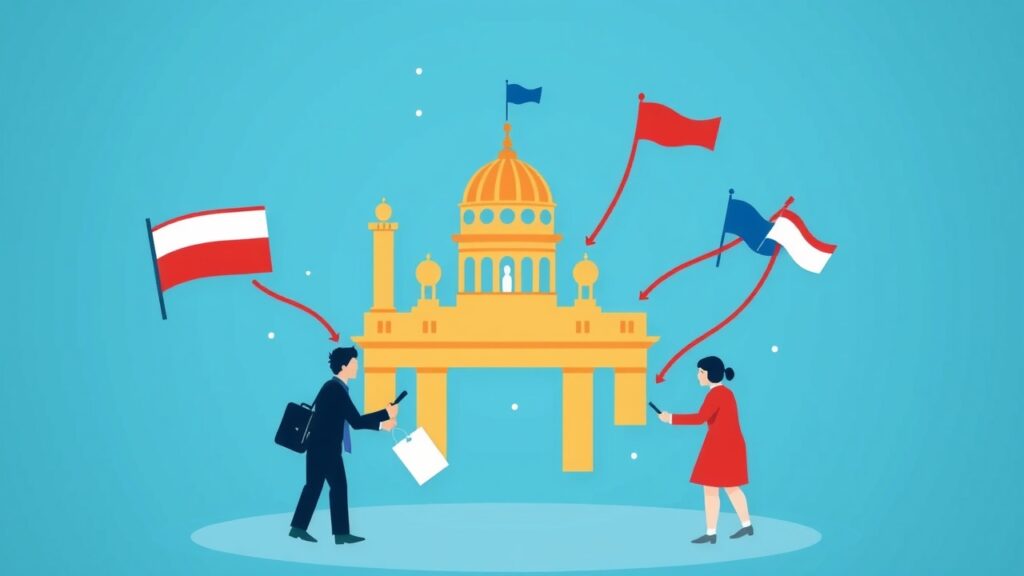
2. Resource Allocation: Political systems determine how resources are distributed within a society. This includes economic resources, social services, and public goods. The way a political system allocates resources can significantly impact social equity and economic development.
3. Conflict Resolution: A well-functioning political system provides mechanisms for resolving conflicts and addressing grievances. This can include formal processes like courts and mediation, as well as informal practices that allow for dialogue and negotiation among different groups.
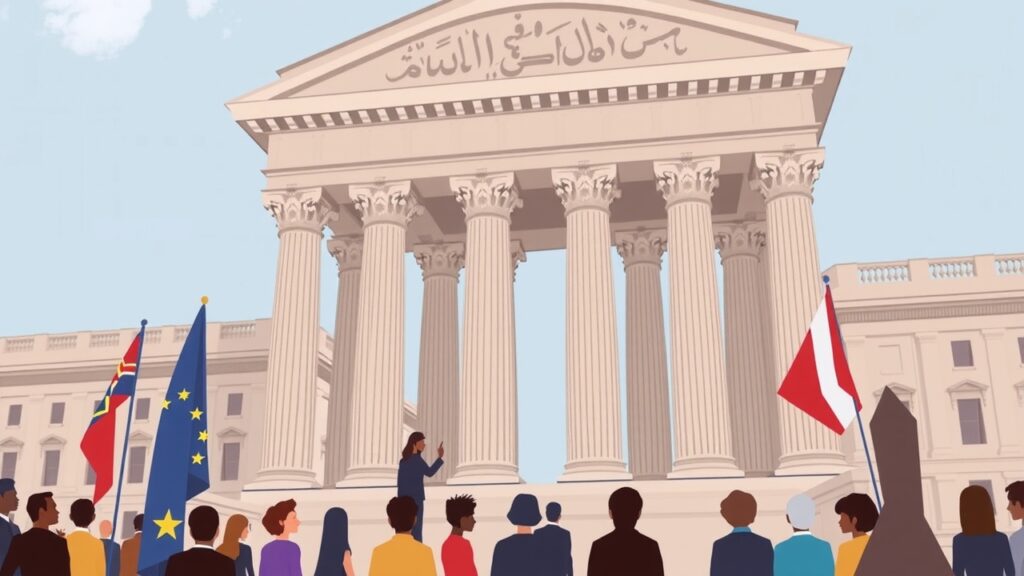
4. Representation and Participation: Political systems define how citizens can participate in governance, whether through voting, activism, or other forms of civic engagement. The degree of representation and participation affects the legitimacy of the political system and the extent to which it reflects the will of the people.
5. Social Cohesion: Political systems can foster a sense of national identity and social cohesion. By promoting shared values and collective goals, they can unite diverse groups within a society, contributing to stability and harmony.
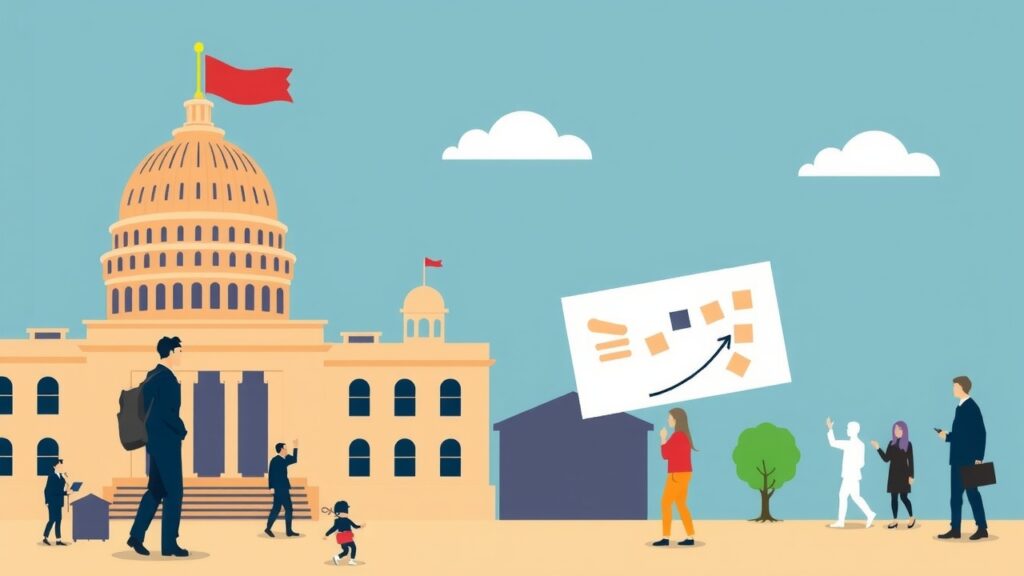
Components of Political Systems
1. Governance: Governance refers to the processes and structures through which authority is exercised. This includes the roles of elected officials, bureaucracies, and regulatory agencies. Governance can be democratic, authoritarian, or a hybrid of both, influencing how power is wielded and how citizens interact with their government.
2. Political Institutions: Political institutions are the formal structures that organize political life. These include legislatures, executives, judiciaries, political parties, and electoral systems. Each institution has specific functions and powers, contributing to the overall operation of the political system.
3. Role of Citizens: Citizens are integral to political systems, as they are the ones who participate in the political process. Their engagement can take many forms, including voting, advocacy, and community organizing. The level of civic engagement often reflects the health of a political system and its responsiveness to the needs of the populace.
4. Political Culture: Political culture encompasses the beliefs, values, and attitudes that shape how citizens view their political system and their role within it. It influences political behavior and can vary significantly between different societies, affecting everything from voter turnout to public trust in government.
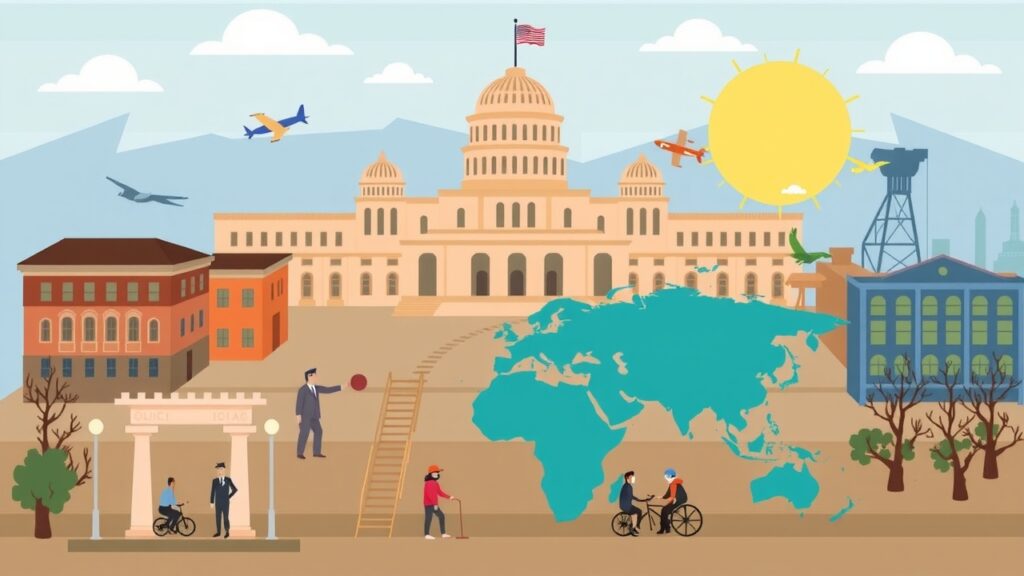

The Conclusion 👓
Political systems are foundational to the functioning of societies. They provide the structure for governance, facilitate resource allocation, and enable conflict resolution. Understanding the components of political systems—governance, political institutions, and the role of citizens—helps us appreciate their significance in shaping our world. As societies evolve, so too do their political systems, reflecting changes in values, priorities, and the dynamics of power.
5.7
Representation means that some people are chosen to speak for others. In a country, citizens elect representatives, like a class president, to make decisions on their behalf. These representatives listen to what the people want and try to make choices that reflect those ideas. Just like in your game, where one person might be chosen to explain everyone's ideas, representatives help make sure that everyone's voice is heard.
Pros
- Organization and Order
- Representation
- Conflict Resolution
- Protection of Rights
- Social Services
Cons
- Inequality
- Corruption
- Bureaucracy
- Limited Participation
- Conflict and Division


Recent Post



Gallery






Featured Videos