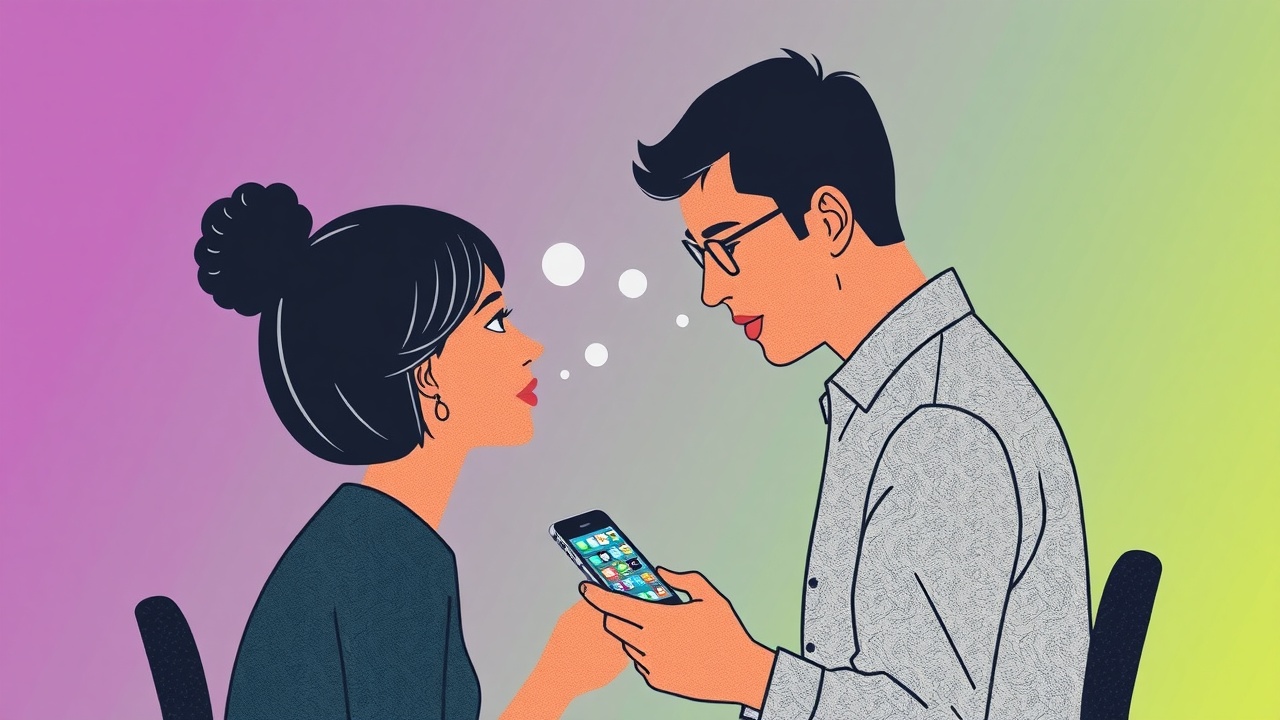



The phenomenon of reduced face-to-face communication, examining its implications on personal relationships
In the past few decades, the way we communicate has undergone a seismic shift. The rise of technology, particularly the internet and mobile devices, has transformed our interactions, leading to a significant decline in face-to-face communication. This trend has been accelerated by recent global events, such as the COVID-19 pandemic, which forced many to adapt to remote work and virtual socializing. While technology has provided us with unprecedented connectivity, it has also raised questions about the implications of reduced in-person interactions on our relationships, mental health, and society as a whole.

The Rise of Digital Communication
The advent of smartphones and social media platforms has revolutionized how we connect with one another. Text messaging, video calls, and social networking sites have made it easier than ever to stay in touch with friends, family, and colleagues, regardless of geographical barriers. According to a report by the Pew Research Center, nearly 90% of adults in the United States use the internet, and a significant portion of that usage is dedicated to social media and messaging apps. This shift has allowed for instant communication, enabling people to share updates, photos, and thoughts in real-time.
However, while these digital tools have made communication more convenient, they have also contributed to a decline in face-to-face interactions. Many individuals now prefer to communicate through screens rather than engage in direct conversations. This trend is particularly evident among younger generations, who have grown up in a digital world where texting and social media are the primary modes of communication.
The Impact on Relationships

The decline in face-to-face interaction has profound implications for our relationships. In-person communication fosters a sense of connection that digital communication often lacks. Non-verbal cues, such as body language and facial expressions, play a crucial role in how we interpret messages and understand emotions. When we communicate through screens, we miss out on these essential elements, which can lead to misunderstandings and a sense of emotional distance.
Moreover, the convenience of digital communication can lead to superficial relationships. While it is easier to maintain a large network of acquaintances online, these connections may lack the depth and intimacy that come from face-to-face interactions. Studies have shown that individuals who prioritize in-person relationships tend to report higher levels of happiness and life satisfaction. The absence of meaningful connections can contribute to feelings of loneliness and isolation, which have become increasingly prevalent in our society.
Mental Health Implications
The mental health implications of reduced face-to-face interaction are significant. The COVID-19 pandemic highlighted the importance of social connections for mental well-being. Lockdowns and social distancing measures forced many to rely on virtual communication, leading to increased feelings of loneliness and anxiety. A study published in the journal Psychological Medicine found that individuals who experienced higher levels of social isolation during the pandemic reported increased symptoms of depression and anxiety.
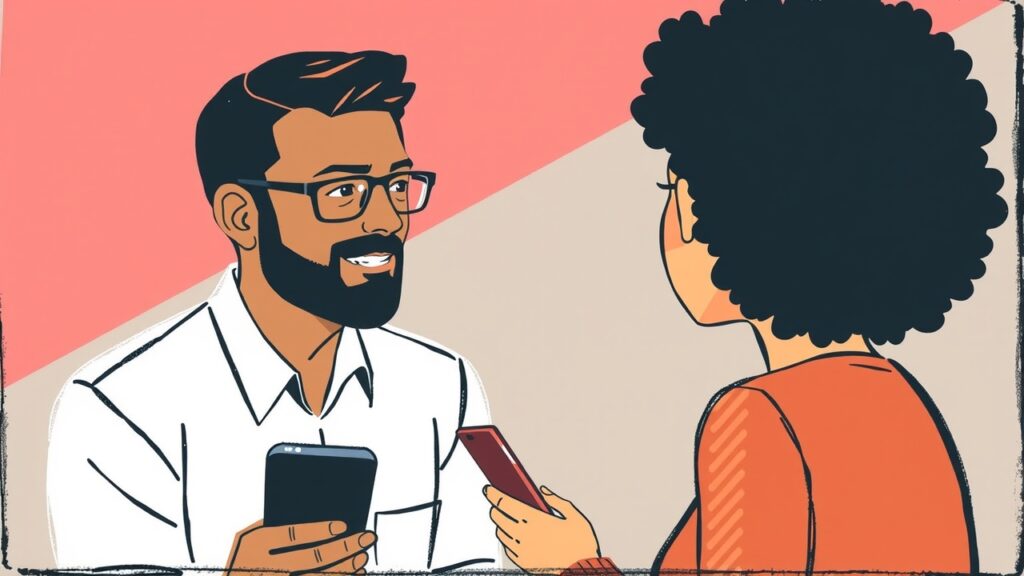
Furthermore, the constant presence of digital devices can lead to a phenomenon known as phubbing, where individuals ignore their companions in favor of their phones. This behavior can create feelings of neglect and resentment in relationships, further exacerbating mental health issues. The lack of in-person interactions can also hinder the development of social skills, particularly among younger individuals who may struggle to navigate face-to-face conversations.
The Future of Communication
As we move forward, it is essential to strike a balance between digital and face-to-face communication. While technology offers convenience and connectivity, it should not replace the richness of in-person interactions. Organizations and communities can play a vital role in fostering environments that encourage face-to-face communication. This can include hosting events, workshops, and social gatherings that promote personal connections.
Additionally, individuals can take proactive steps to prioritize in-person interactions in their lives. Setting aside time for family dinners, coffee dates with friends, or community activities can help strengthen relationships and combat feelings of isolation. It is crucial to recognize the value of being present with others and to make a conscious effort to engage in meaningful conversations.


The Conclusion 👓
The decline of face-to-face interaction in our increasingly digital world presents both challenges and opportunities. While technology has transformed the way we communicate, it is essential to acknowledge the importance of in-person connections for our mental health and overall well-being. By fostering environments that encourage face-to-face interactions and prioritizing meaningful relationships, we can navigate the complexities of modern communication while preserving the richness of human connection. As we embrace the digital age, let us not forget the power of a simple conversation, a shared laugh, or a comforting presence—elements that are irreplaceable in the tapestry of human relationships.
7.4
As society continues to adapt to these changes, it is essential to strike a balance between the convenience of digital communication and the benefits of in-person interactions. Recognizing the value of face-to-face engagement can help individuals and organizations maintain strong relationships and foster a sense of community. Ultimately, while less face-to-face interaction may be a defining characteristic of modern life, it is crucial to remain mindful of its implications and actively seek opportunities for meaningful connections in both personal and professional spheres.
Pros
- Convenience
- More Communication Options
- Connecting with More People
- Comfort
- Flexibility
Cons
- Missing Non-Verbal Cues
- Feeling Lonely
- Misunderstandings
- Less Social Skills Practice
- Over-Reliance on Technology