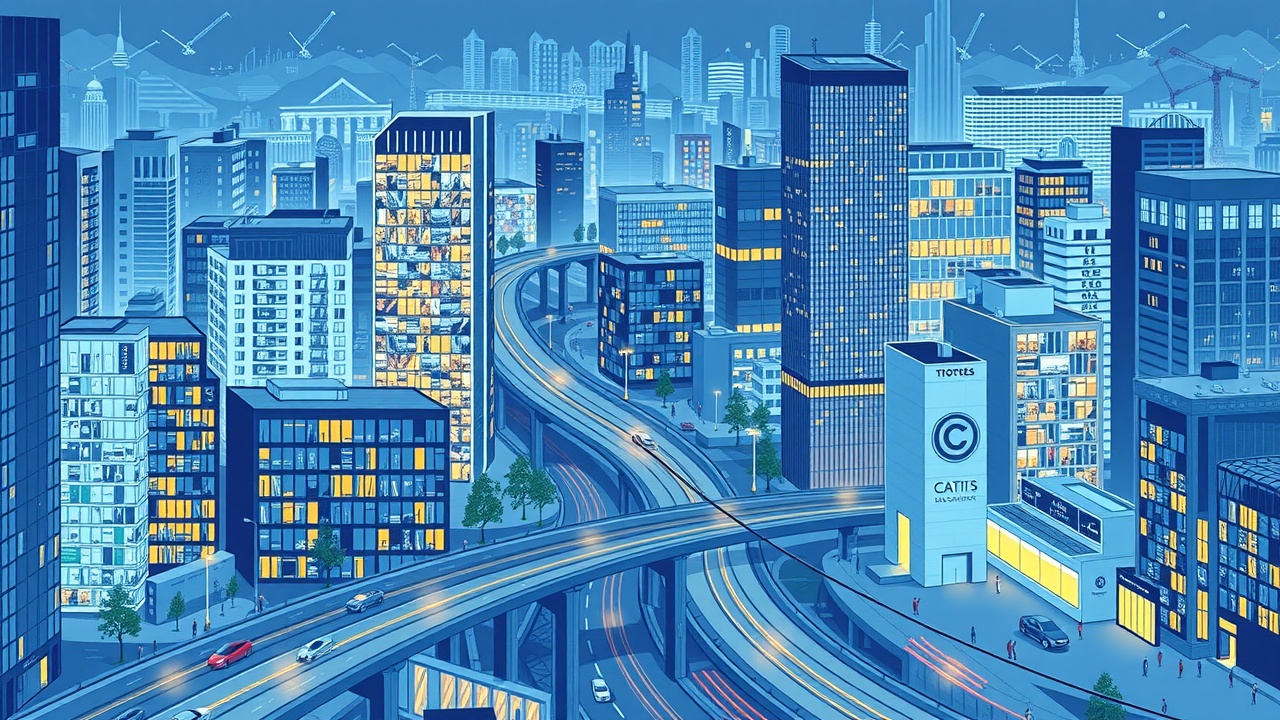



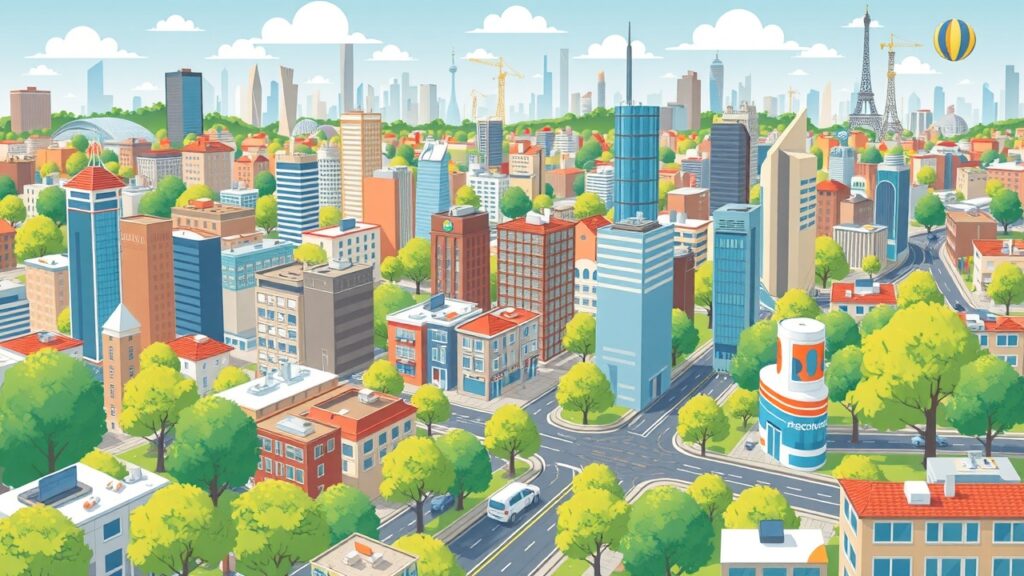
Urbanization is one of the most significant trends of the 21st century, with more than half of the world’s population now living in urban areas. This shift is expected to continue, with projections suggesting that by 2050, nearly 68% of the global population will reside in cities. As urban areas expand, they face numerous challenges, including overcrowding, pollution, inadequate infrastructure, and social inequality. In response to these challenges, the concept of smart cities has emerged as a potential solution, leveraging technology and data to create more efficient, sustainable, and livable urban environments.
The Rise of Urbanization
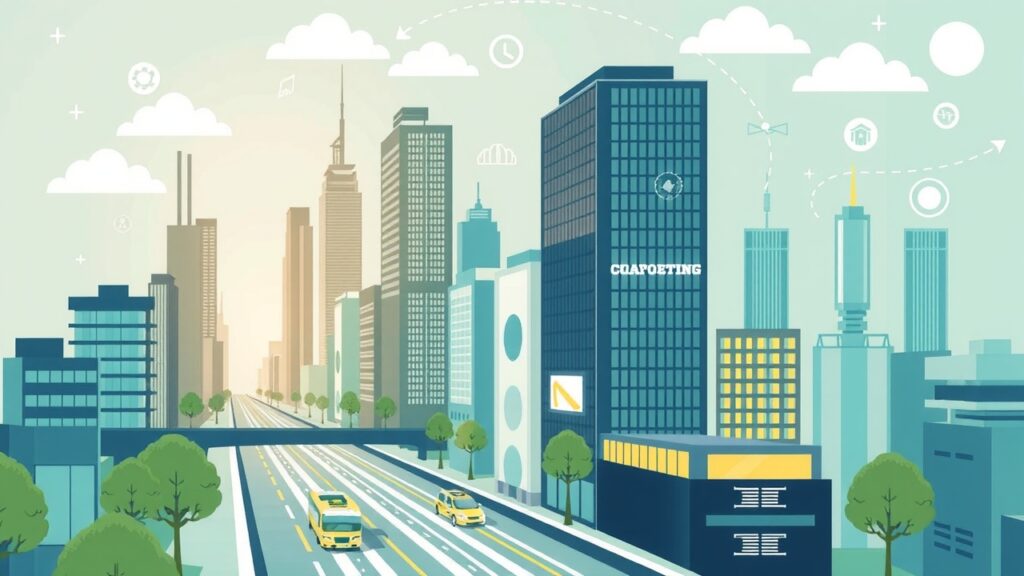
Urbanization is driven by various factors, including economic opportunities, better living standards, and access to services such as education and healthcare. Cities are often seen as engines of growth, attracting individuals seeking jobs and a higher quality of life. However, rapid urbanization can lead to significant challenges. Overcrowding can strain public services, transportation systems, and housing markets, while environmental degradation and social disparities can exacerbate existing inequalities.
What Are Smart Cities?
Smart cities utilize technology and data analytics to improve the quality of life for their residents. The concept encompasses a wide range of initiatives, including the integration of information and communication technology (ICT) into urban infrastructure, the use of big data to inform decision-making, and the implementation of sustainable practices. Smart cities aim to enhance urban living by addressing issues such as traffic congestion, energy consumption, waste management, and public safety.
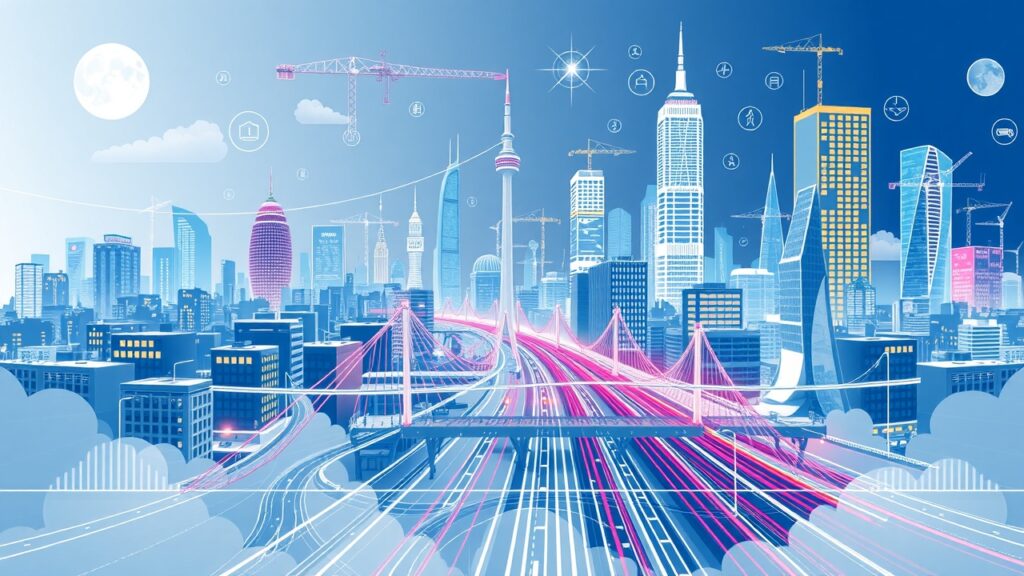
Key Components of Smart Cities
1. Connectivity and Infrastructure: Smart cities rely on robust digital infrastructure, including high-speed internet and IoT (Internet of Things) devices. This connectivity allows for real-time data collection and analysis, enabling city planners to make informed decisions.
2. Sustainable Energy Solutions: Renewable energy sources, such as solar and wind power, are integral to smart cities. By reducing reliance on fossil fuels, cities can decrease their carbon footprint and promote environmental sustainability.
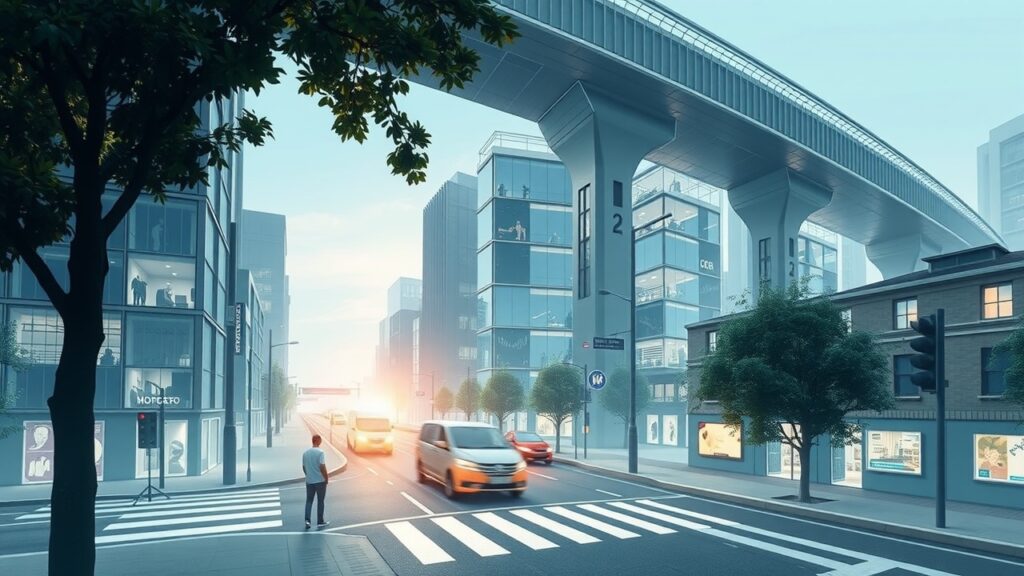
3. Intelligent Transportation Systems: Smart cities implement advanced transportation solutions, such as smart traffic lights, real-time public transit information, and ride-sharing platforms. These innovations aim to reduce congestion, improve air quality, and enhance mobility for residents.
4. Waste Management: Smart waste management systems utilize sensors to monitor waste levels in bins, optimizing collection routes and schedules. This approach reduces operational costs and minimizes environmental impact.
5. Public Safety and Security: Smart cities employ surveillance systems, emergency response technologies, and predictive analytics to enhance public safety. These tools help law enforcement agencies respond more effectively to incidents and improve community safety.
6. Citizen Engagement: Smart cities prioritize citizen participation through digital platforms that allow residents to provide feedback, report issues, and engage with local government. This fosters a sense of community and ensures that urban development aligns with the needs of residents.
Benefits of Smart Cities
The transition to smart cities offers numerous benefits, including:
– Improved Quality of Life: By addressing urban challenges, smart cities can enhance the overall quality of life for residents. Access to efficient public services, reduced traffic congestion, and cleaner environments contribute to healthier and happier communities.
– Economic Growth: Smart cities can attract businesses and investments by creating a conducive environment for innovation and entrepreneurship. The integration of technology can lead to job creation and economic diversification.
– Sustainability: Smart cities promote sustainable practices that reduce environmental impact. By optimizing resource use and minimizing waste, these cities can contribute to global efforts to combat climate change.
– Enhanced Resilience: Smart cities are better equipped to respond to emergencies and adapt to changing conditions. By leveraging data and technology, urban areas can develop strategies to mitigate the effects of natural disasters and other crises.
Challenges and Considerations
Despite the potential benefits, the development of smart cities is not without challenges. Issues such as data privacy, cybersecurity, and the digital divide must be addressed to ensure that all residents can benefit from smart city initiatives. Additionally, the implementation of technology should not exacerbate existing inequalities; efforts must be made to include marginalized communities in the planning and execution of smart city projects.
The Future of Urbanization and Smart Cities
As urbanization continues to accelerate, the need for innovative solutions will become increasingly urgent. Smart cities represent a promising approach to addressing the complexities of urban living. By harnessing technology and data, cities can create environments that are not only more efficient but also more inclusive and sustainable.
In conclusion, the interplay between urbanization and smart city development will shape the future of urban living. As cities evolve, the integration of technology and sustainable practices will be essential in creating urban spaces that meet the needs of their residents while preserving the environment for future generations. The journey toward smart cities is a collaborative effort that requires the engagement of governments, businesses, and citizens alike, paving the way for a brighter, more connected urban future.

The Conclusion 👓
Smart cities leverage data and connectivity to create more efficient public services, improve sustainability, and foster economic development. By utilizing Internet of Things (IoT) devices, cities can monitor and manage resources in real-time, leading to more informed decision-making and better allocation of resources. This technological advancement not only streamlines operations but also encourages citizen engagement and participation in urban governance.
7.5
The future of urban living will likely be shaped by the interplay between urbanization and the development of smart cities. As cities evolve, the focus will need to remain on creating environments that are not only technologically advanced but also sustainable and inclusive. The successful implementation of smart city initiatives can lead to improved urban living conditions, but it requires a collaborative effort among governments, businesses, and communities to realize this potential fully. The path forward will demand careful consideration of both the benefits and the challenges inherent in this transformative journey.
Pros
- More Jobs
- Better Services
- Technology Improvements
- Cultural Opportunities
- Sustainability
Cons
- Overcrowding
- High Cost of Living
- Pollution
- Technology Dependence
- Loss of Community


Recent Post



Gallery






Featured Videos