



The impact of technology on education, examining both the opportunities and challenges that arise as traditional methods intersect with digital innovations
The advent of the digital age has revolutionized various sectors, and education is no exception. With the proliferation of technology, the traditional classroom model is undergoing a significant transformation, reshaping how knowledge is imparted and acquired. This article explores the multifaceted impact of digital technology on education, highlighting its benefits, challenges, and future prospects.

The Rise of Digital Learning
Digital learning encompasses a wide range of educational practices that leverage technology to enhance the learning experience. From online courses and virtual classrooms to educational apps and interactive platforms, digital tools have made education more accessible than ever before. According to a report by the World Economic Forum, the global e-learning market is projected to reach $375 billion by 2026, underscoring the growing acceptance of digital education.
One of the most significant advantages of digital learning is accessibility. Students from diverse backgrounds and geographical locations can access high-quality educational resources that were previously out of reach. Online platforms like Coursera, edX, and Khan Academy offer courses from prestigious institutions, allowing learners to acquire new skills and knowledge at their own pace. This democratization of education is particularly beneficial for individuals in remote areas or those with limited financial resources.
Personalized Learning Experiences

Digital technology also facilitates personalized learning experiences. Traditional education often follows a one-size-fits-all approach, which may not cater to the unique needs and learning styles of every student. However, with the help of artificial intelligence (AI) and data analytics, educators can tailor their teaching methods to suit individual learners.
Adaptive learning platforms, such as DreamBox and Smart Sparrow, use algorithms to assess a student’s progress and adjust the curriculum accordingly. This personalized approach not only enhances student engagement but also improves learning outcomes. By allowing students to learn at their own pace, digital education fosters a sense of autonomy and motivation.
Collaborative Learning and Global Connectivity
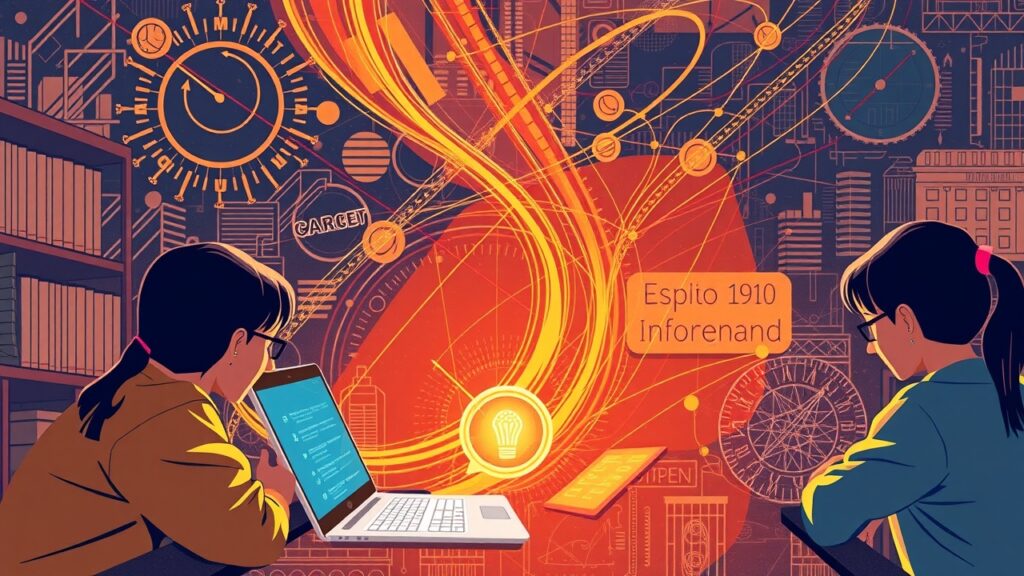
The digital age has also transformed the way students collaborate and communicate. Online tools such as Google Classroom, Microsoft Teams, and Zoom enable real-time collaboration, allowing students to work together on projects regardless of their physical location. This fosters a sense of community and encourages the exchange of ideas among peers from diverse backgrounds.
Moreover, digital education breaks down geographical barriers, enabling students to connect with experts and peers worldwide. Virtual exchange programs and international collaborations provide learners with a global perspective, preparing them for an increasingly interconnected world. This exposure to different cultures and viewpoints enhances critical thinking and empathy, essential skills in today’s globalized society.
Challenges of Digital Education

Despite its numerous advantages, the shift to digital education is not without challenges. One of the most pressing issues is the digital divide, which refers to the gap between those who have access to technology and those who do not. In many regions, particularly in developing countries, inadequate infrastructure and limited internet connectivity hinder students’ ability to participate in digital learning. This disparity exacerbates existing inequalities in education and limits opportunities for marginalized communities.

Additionally, the reliance on technology raises concerns about data privacy and security. With the increasing use of online platforms, students’ personal information is often collected and stored, making them vulnerable to cyber threats. Educational institutions must prioritize data protection and ensure that robust security measures are in place to safeguard students’ information.
Another challenge is the potential for decreased social interaction. While digital learning offers flexibility and convenience, it may also lead to feelings of isolation among students. The lack of face-to-face interaction can hinder the development of essential social skills and emotional intelligence. Educators must find ways to incorporate social elements into digital learning environments to foster a sense of belonging and community.
The Future of Education in the Digital Age
As we look to the future, the integration of technology in education is likely to continue evolving. Emerging technologies such as virtual reality (VR), augmented reality (AR), and blockchain hold the potential to further enhance the learning experience. VR and AR can create immersive learning environments, allowing students to explore complex concepts in a hands-on manner. For instance, medical students can practice surgical procedures in a virtual setting, while history students can experience historical events through interactive simulations.
Moreover, blockchain technology can revolutionize credentialing and certification processes, providing a secure and transparent way to verify educational achievements. This could streamline the hiring process for employers and empower students to showcase their skills and qualifications more effectively.


The Conclusion 👓
Education in the digital age presents both opportunities and challenges. While technology has the potential to enhance accessibility, personalization, and collaboration, it also raises concerns about equity, privacy, and social interaction. As we navigate this evolving landscape, it is crucial for educators, policymakers, and stakeholders to work together to harness the benefits of digital education while addressing its challenges. By doing so, we can create a more inclusive and effective educational system that prepares learners for the demands of the 21st century. The future of education is undoubtedly digital, and it is our responsibility to ensure that it is equitable, secure, and enriching for all.
6.2
While the digital age offers unprecedented opportunities for educational innovation and accessibility, it also demands a thoughtful approach to ensure that all learners benefit equitably. As we move forward, it is crucial to strike a balance between leveraging technology and maintaining the essential human elements of education, fostering an environment where all students can thrive.
Pros
- Access to Information
- Flexible Learning
- Interactive Learning
- Global Connections
- Resource Availability
Cons
- Distractions
- Less Face-to-Face Interaction
- Dependence on Technology
- Access Issues
- Information Overload