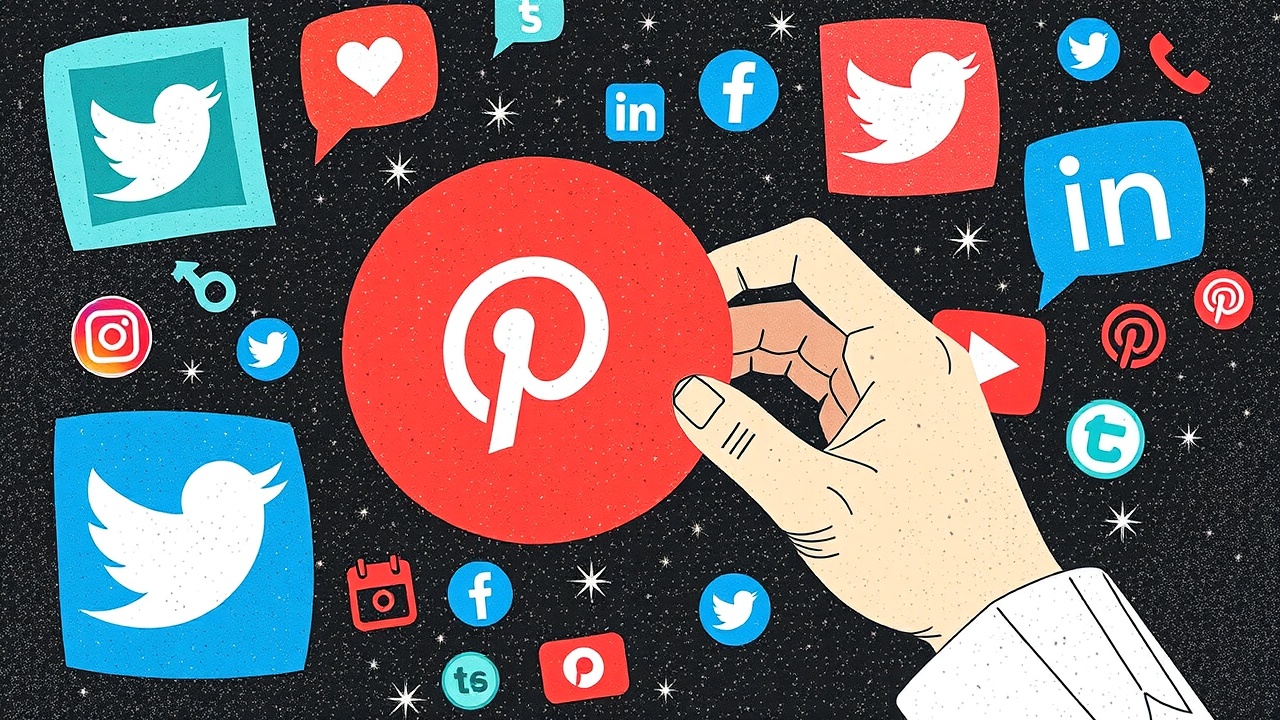



In the past two decades, social media has transformed from a niche online activity into a dominant force in global communication, culture, and commerce. Platforms like Facebook, Twitter, Instagram, TikTok, and LinkedIn have not only changed how individuals interact but have also reshaped societal norms, political landscapes, and economic structures. As we delve into the multifaceted role of social media in society, it becomes evident that its impact is both profound and complex.
Connecting People Across the Globe
One of the most significant contributions of social media is its ability to connect individuals across vast distances. In a world that is increasingly globalized, social media platforms allow people to communicate in real-time, share experiences, and build relationships regardless of geographical barriers. Families separated by continents can maintain close ties through video calls and instant messaging, while friends can share life updates and memories through posts and stories.
Moreover, social media has empowered marginalized communities by providing a platform for their voices to be heard. Activists and advocates can mobilize support for various causes, raising awareness about issues such as climate change, racial injustice, and gender equality. The viral nature of social media campaigns, such as #BlackLivesMatter and #MeToo, illustrates how these platforms can galvanize public opinion and drive social change.
A Double-Edged Sword: Information and Misinformation
While social media serves as a powerful tool for information dissemination, it also poses significant challenges regarding the accuracy and reliability of that information. The rapid spread of news and opinions can lead to the proliferation of misinformation and disinformation, which can have serious consequences for public perception and behavior. The COVID-19 pandemic highlighted this issue, as false information about the virus and vaccines circulated widely, complicating public health efforts.
The challenge of misinformation underscores the importance of media literacy in the digital age. Users must develop critical thinking skills to discern credible sources from unreliable ones. Social media platforms have begun implementing measures to combat misinformation, such as fact-checking initiatives and content moderation, but the responsibility also lies with users to engage thoughtfully with the information they encounter.
Shaping Political Discourse and Activism
Social media has revolutionized political communication, providing a platform for politicians, parties, and citizens to engage in dialogue. Politicians can reach constituents directly, bypassing traditional media gatekeepers. This direct line of communication can foster greater transparency and accountability, as elected officials are held to account by their constituents in real-time.
However, the influence of social media on political discourse is not without its pitfalls. The rise of echo chambers—where individuals are exposed primarily to viewpoints that align with their own—can lead to polarization and a fragmented public sphere. The algorithms that govern social media feeds often prioritize sensational content, which can exacerbate divisions and hinder constructive dialogue.
Despite these challenges, social media has also been a catalyst for grassroots movements and political activism. The Arab Spring, for example, demonstrated how social media could mobilize citizens to demand change in oppressive regimes. In contemporary politics, platforms like Twitter have become battlegrounds for political debate, shaping public opinion and influencing electoral outcomes.
Economic Transformation and New Opportunities
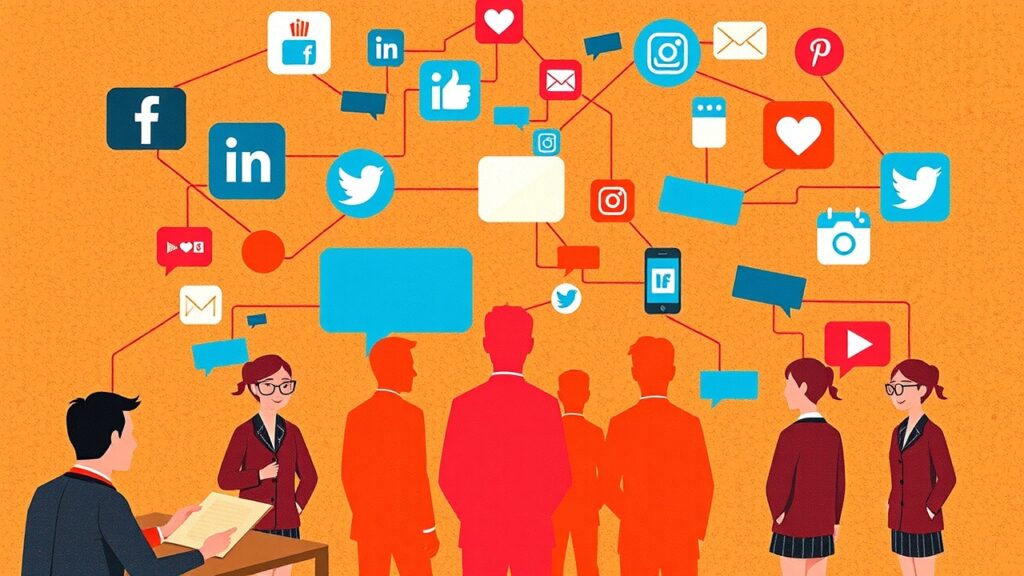
The impact of social media extends beyond personal and political realms; it has also transformed the economy. Businesses leverage social media for marketing, customer engagement, and brand building. Influencer marketing has emerged as a powerful strategy, where individuals with large followings promote products and services to their audiences. This shift has democratized advertising, allowing small businesses to compete with larger corporations by reaching niche markets directly.
Moreover, social media has given rise to new career opportunities and industries. Content creation, social media management, and digital marketing are now viable career paths, reflecting the changing landscape of work in the 21st century. As businesses increasingly recognize the importance of an online presence, the demand for skilled professionals in these areas continues to grow.
Mental Health and Well-Being
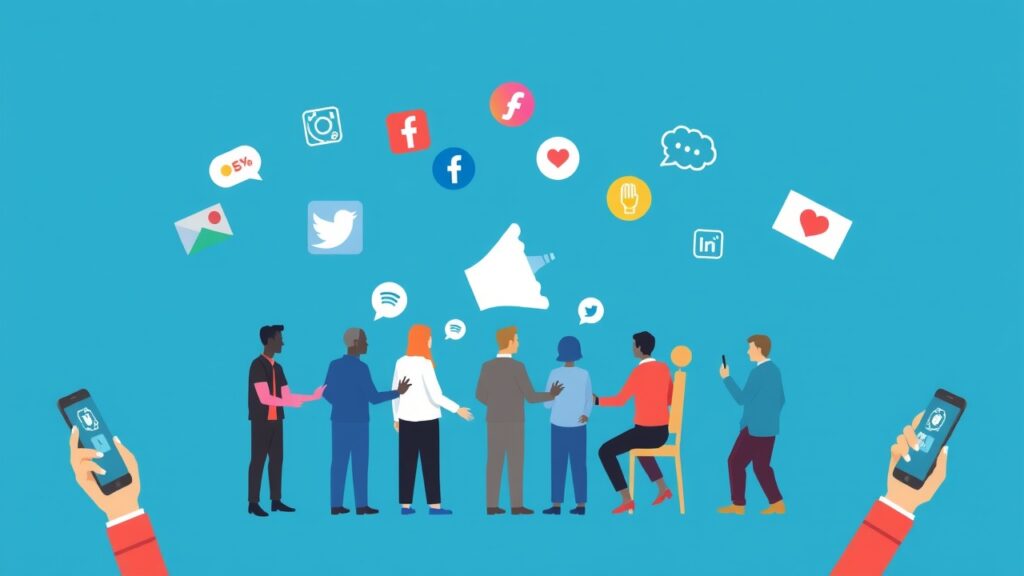
While social media offers numerous benefits, it also raises concerns about mental health and well-being. Studies have shown that excessive use of social media can lead to feelings of anxiety, depression, and loneliness. The pressure to curate a perfect online persona can contribute to low self-esteem and body image issues, particularly among young people.
To mitigate these effects, it is essential for individuals to cultivate a healthy relationship with social media. This may involve setting boundaries around usage, curating feeds to include positive and uplifting content, and engaging in offline activities that promote well-being.

The Conclusion 👓
The role of social media in society is multifaceted, encompassing both positive and negative aspects. As a tool for connection, activism, and economic opportunity, it has the potential to foster community and drive change. However, the challenges of misinformation, polarization, and mental health must be addressed to harness its full potential. As we navigate this digital landscape, it is crucial for individuals, communities, and policymakers to engage thoughtfully with social media, ensuring that it serves as a force for good in society.
6.5
Social media and technology in 2026 have their benefits and challenges. It’s important to use them wisely to make the most of what they offer while being aware of their downsides.
Pros
- Staying Connected
- Learning New Things
- Expressing Yourself
- Finding Support
- Getting Involved
Cons
- Cyberbullying
- Privacy Concerns
- Addiction
- Misinformation
- Pressure to Fit In