
In recent times, there has been increased awareness about the idea of financial independence, especially among the younger generation of millennials and Gen Z. Leading the charge of this movement is the so-called Financial Independence, Retire Early (FIRE) movement. However, what is the FIRE movement all about, and how does one begin their path towards financial independence?
Understanding the FIRE Movement
FIRE, as a concept, rests on the foundation that people can retire much before the usual retirement age simply because they save a large chunk of their income and invest sensibly. The underlying philosophy of the whole concept is based on two basic factors, which are as follows:

The concept of “Financial Independence, Retire Early”, also known as FIRE movement, has become quite popular in recent times owing to the fact that people are looking for options other than the standard way of retiring. The main idea behind this movement lies in the fact that it is possible for one to retire much earlier than 65 years of age through disciplined savings and investments. There are two basic elements of this idea: Financial Independence and Early Retirement.

Financial Independence is where the person has enough savings so that he does not need to work in order to meet his basic needs. It requires the person to save a large percentage of his earnings, which could be around 50% or even more, as well as investing in the right things to earn passive income. The early retirement aspect motivates people to dream about retiring earlier in life than what is socially acceptable so that they can do other things like traveling or charity work.
The FIRE movement, as it progresses, poses both advantages and disadvantages to individuals willing to embrace them. An understanding of how these principles can be adopted and the mindsets that one must adapt to succeed in reaching financial freedom becomes imperative.

1. Financial Independence: This implies that there is enough money saved up to take care of expenses, without needing a job. This is about building up money that would provide passive income and hence, making one able to survive without working.
2. Retiring Early: Although retirement age usually falls within the 60s and 70s for most people, the idea behind “FIRE” advocates retiring much earlier at the age of 30s or 40s. Retiring early is not synonymous with relaxing on a beach all your life but is associated with having freedom in doing what you want to do.
The Principles of FIRE

The FIRE movement is underpinned by several key principles that guide its followers in their quest for financial independence:
1. Aggressive Saving: FIRE enthusiasts often suggest saving anywhere from 50 to 70 percent of their income. It is dependent on an individual’s ability to adopt a thrifty way of life where saving becomes a priority above spending.

2. Investing Wisely: Money should not just be saved but should be invested in order for it to grow in the future. There are many people who are into the FIRE movement who prefer investing in low-cost index funds and even in real estate. They do this so that they can earn money passively.
3. The 4% Rule: An essential component of the FIRE philosophy is the rule of 4 percent, which states that investors may withdraw 4 percent from their investment portfolio each year and not run out of money for 30 years. This rule helps people know how much they should save to become financially independent.

4. Mindset Shift: To succeed at achieving Financial Independence Retire Early (FIRE), one needs to undergo an important mindset shift. Most people in this movement lean towards minimalist thinking and valuing experiences over possessions.
Different Approaches to FIRE
Despite sharing one goal, people in the FIRE movement can approach the matter from a variety of angles depending on their own personal situation.
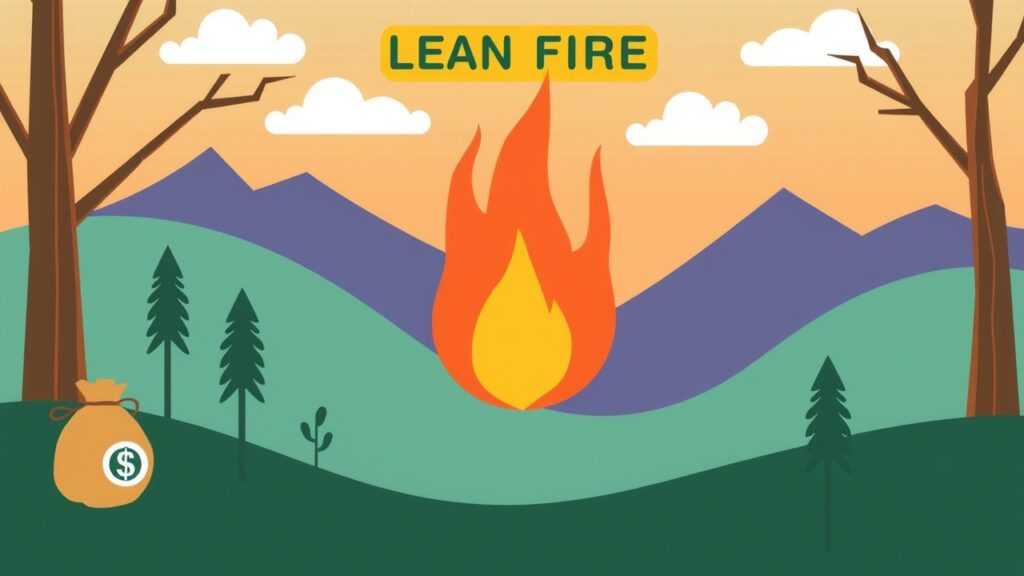
1. Lean FIRE: This strategy entails adopting an extremely minimalist life, sometimes at a lower yearly expenditure target. Those who support the Lean FIRE strategy are looking to retire with less money saved.
2. Fat FIRE: On the other hand, Fat FIRE provides one with an ability to enjoy life at a relatively high level of comfort. Those who follow this approach manage to save enough to afford themselves a comfortable life.

3. Barista FIRE: This hybrid approach allows individuals to retire early but still work part-time or freelance to supplement their income. This can provide a safety net while allowing for more flexibility and freedom.

4. Coast FIRE: This strategy involves saving enough early on so that investments can grow over time without additional contributions. Individuals can then choose to work in lower-stress jobs or pursue passions while their investments continue to grow.
The Challenges of the FIRE Movement
While the FIRE movement offers an appealing vision of financial independence, it is not without its challenges:
1. High Savings Rate: Achieving a 50% to 70% savings rate can be daunting, especially in high-cost living areas. It requires significant lifestyle changes and sacrifices.

2. Market Risks: Investing always carries risks, and market downturns can impact the ability to withdraw funds according to the 4% rule. It’s essential to have a diversified portfolio and a solid understanding of market dynamics.
3. Social Pressure: Embracing a frugal lifestyle can lead to social isolation or pressure from peers who may not understand the FIRE philosophy. It’s crucial to find a supportive community that shares similar goals.

4. Uncertainty in Retirement: Early retirees may face uncertainties regarding healthcare, social security, and unexpected expenses. Planning for these contingencies is vital to ensure long-term financial stability.

Financial Independence, Retire Early (FIRE) Movement is one of the most important signs of changing attitudes towards work. Since FIRE emphasizes the importance of financial independence and early retirement, participants of this movement put the traditional understanding of career development and job satisfaction into question. Consequently, it contributes to a reconsideration of the values, money management approaches and lifestyles of many people, who want to follow an alternative path to financial independence and satisfaction with work.
At the same time, the popularity of the FIRE movement makes us think about the future of work. It becomes obvious that more and more people start to reconsider their careers in light of their future life and try to follow minimalist, frugal and intentional life paths.

.

The Conclusion 👓
The FIRE movement represents a radical shift in how individuals approach work, savings, and retirement. By prioritizing financial independence and adopting a frugal lifestyle, many have successfully achieved their goal of retiring early. However, it requires dedication, discipline, and a willingness to embrace a different way of living. For those willing to take the plunge, the rewards can be life-changing, offering the freedom to pursue passions and live life on one’s own terms. Whether you’re just starting your financial journey or are well on your way to achieving FIRE, understanding the principles and challenges of this movement can help you navigate your path to financial independence
6.1
FIRE movement may not be suitable for everyone, its principles resonate with a significant segment of the population seeking greater control over their lives. As more people explore these ideas, the conversation around work, retirement, and financial security is likely to evolve, reflecting a broader desire for meaningful engagement in both personal and professional spheres. Ultimately, the FIRE movement serves as a catalyst for change, prompting individuals to rethink their relationship with work and consider new possibilities for their futures.
Pros
- Pors Item One
- Pors Item Two
- Pors Item Three
- Pors Item Four
- Pors Item Five
Cons
- Cons Item One
- Cons Item Two
- Cons Item Three
- Cons Item Four
- Cons Item Five


Meet the writer: a storyteller who takes it upon himself to delve into the complexities of the human condition. This writer loves telling stories and invites you to join him on this journey of exploration.